Week 1: Computer-aided design
The idea is to have a way to manufacture extremely small free form features in metal by using electrical discharge machining (EDM) in a sinker configuration. EDM machines come in three flavors, there are wire based systems (previous students of this class have built such systems), they are very good for 2D features. Then there is a “machining type” where the tool is a cylinder which is moved across the part similar to a CNC. This however is even for EDM standards slow and the precision is inherited from the precision of the stages, and the last variant are so called sinkers. The tool is an electrically conductive piece of the negative to be manufactured, which gets driven into the part. Together with using resin based 3D printing which can achieve very accurate prints, this might be a way to get highly accurate fine featured metal parts which is interesting to many industries in a versatile and accessible way.
The idea
Electrical discharge machining (EDM) removes material with many small sparks between a tool electrode and a conductive workpiece. Both sit in a dielectric fluid and never touch. In sinker EDM the electrode is slowly lowered into the workpiece, and its shape is copied into the part as a negative. This works in every conductive material including usually hard to process materials like hardened tool steel.
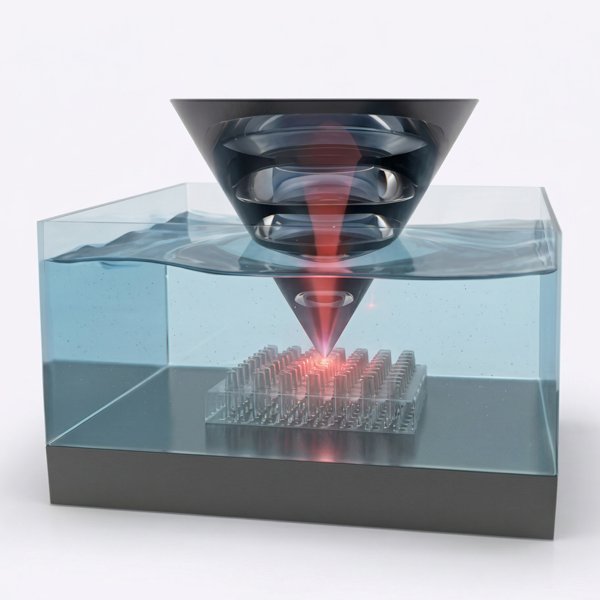 | 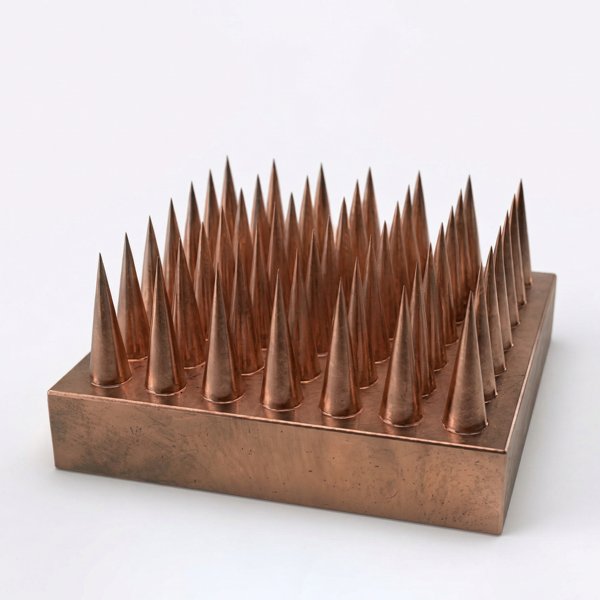 | 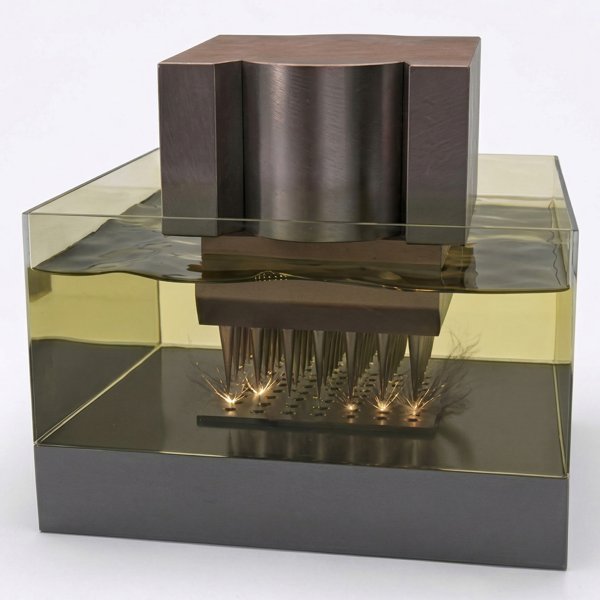 | 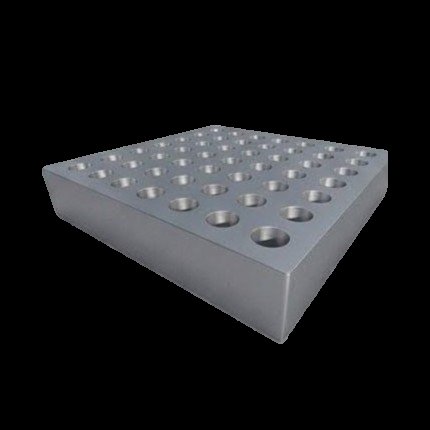 |
| 1. Resin prints a polymer master with high freeform resolution. | 2. The master is metallized to form an electrode. (how exactly is still to be determined) | 3. Sinker EDM transfers the electrode geometry into metal. | 4. The result is a durable tool/part. |
Step 3 needs a machine that can hold a stable spark gap of a few micrometres and deliver very small, controlled pulse energies. That machine is the final project.
First CAD draft
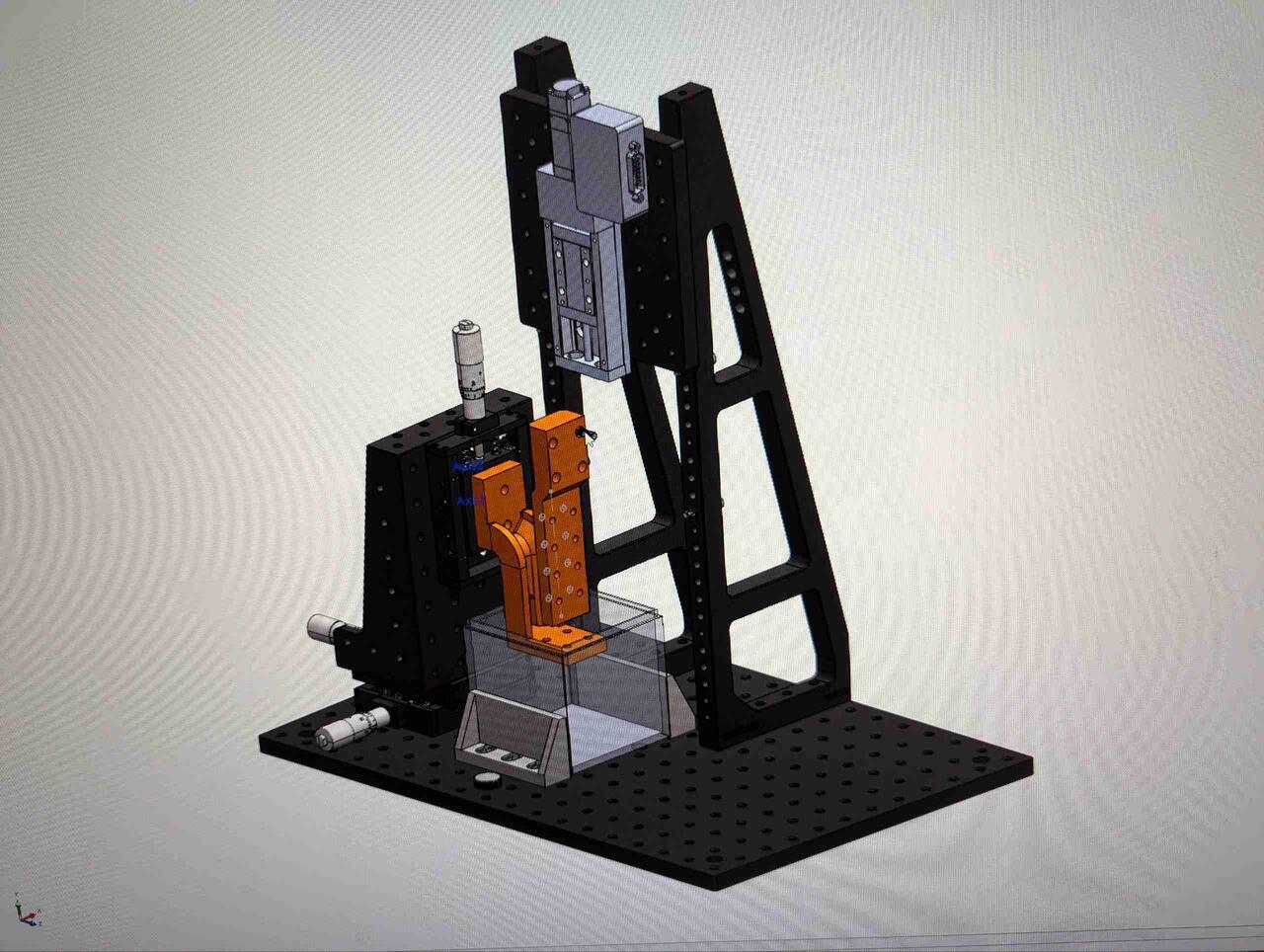
First CAD draft of the machine.
Subsystems
- Z axis: precise vertical motion that holds the electrode at the spark gap.
- Spark generator: own PCB for short, controlled discharge pulses.
- Gap sensing and control: measure the gap voltage and move the Z axis to avoid short circuits and open gaps.
- Work tank and dielectric: tank, flushing and workpiece clamping.
- Diagnostics: capture the discharge waveform to check pulse width, current and gap behaviour.
- Interface: set parameters and follow a job.
AI use
Grammar check of the text with Claude Opus 5.5. Idea, CAD and content are my own.