- sensors that respond to some kind of activity or interaction
- a moving mechanical system
- multiple materially different components that I design, fabricate, and assemble (fabrics/textiles being one of them)
- an installation-scale assembly (anywhere from tabletop-size to multiple freestanding objects)
Some initial ideas:
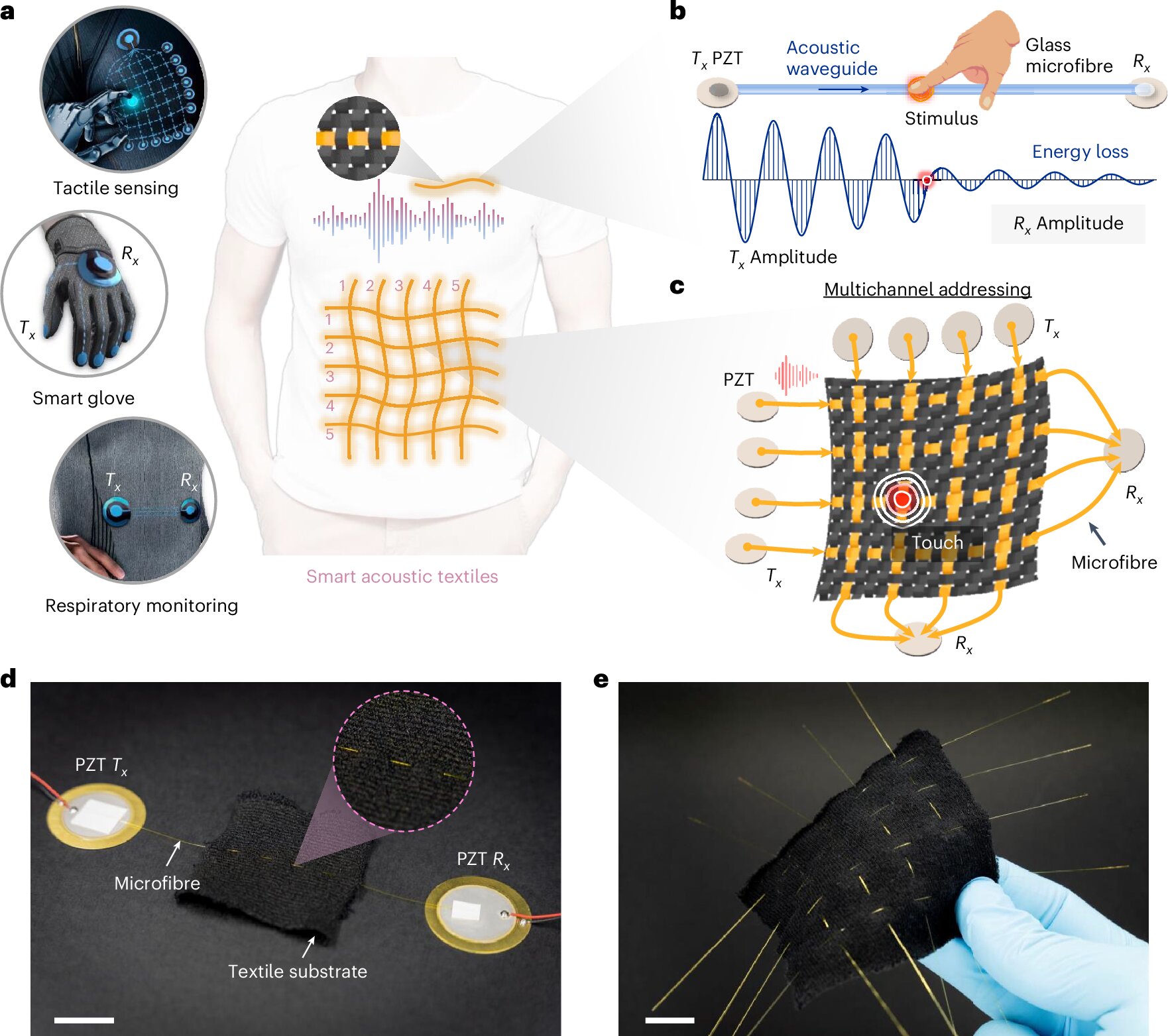
- A 2.5D fabric display/interface/'pixel array' that responds to touch, inspired by narrative textile traditions, smart clothing concepts, and responsive facade designs
- Like the design of recording booths, the environment you listen to music/a performance in + acoustics plays a huge role in how it comes across to you. Maybe a kinetic sculpture-like visualizer that also helps isolate sound? Something like bioluminescent waves / being underwater ('one of the oldest stories on this planet')
- Some other kinetic data sculpture otherwise — I have a few ideas, but they'd need significantly more design work than actual fabrication or engineering
- A kite/lantern that draws in the sky
- Expressive, 'living' clothing that responds to biosignals like temperature, your stress response, etc and adapts accordingly
- A deployable/popup rave with localized sound (??)
---
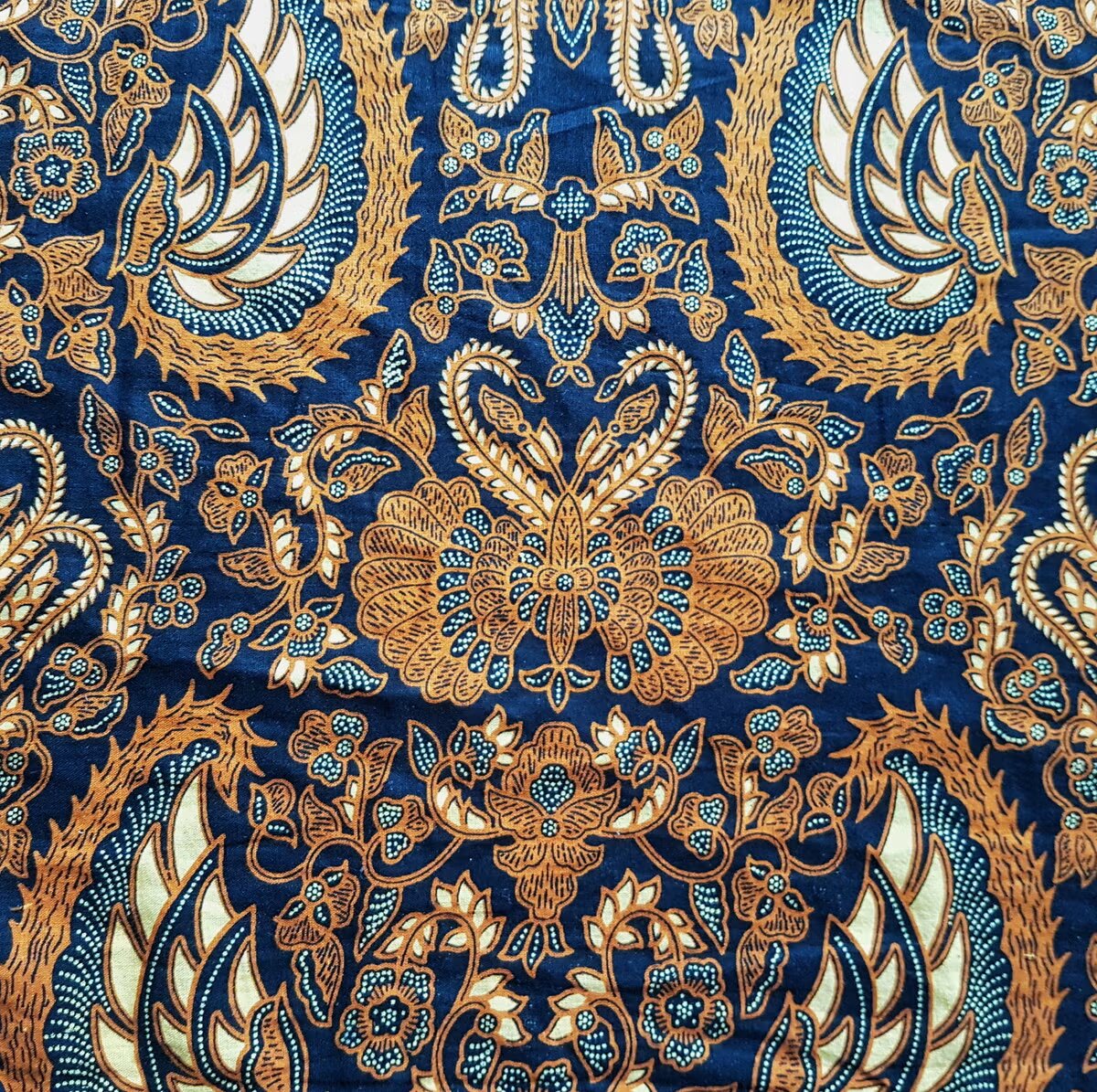
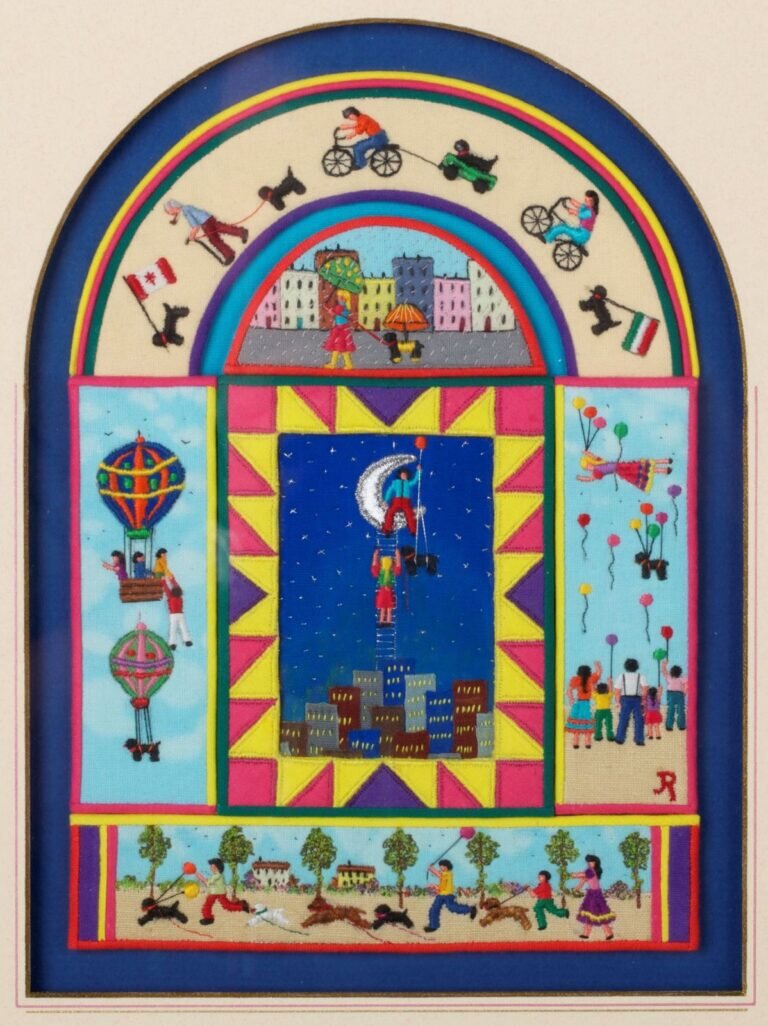
Behnaz Farahi's “Caress of the Gaze” is also a good precedent, and might be the closest to a working 'fabric interface' so far, though I think that was more about conveying a certain message than anything else. This should all be adjacent to things like kinetic facades for environmentally aware buildings too, which I'm hoping this project could also be applicable to later.
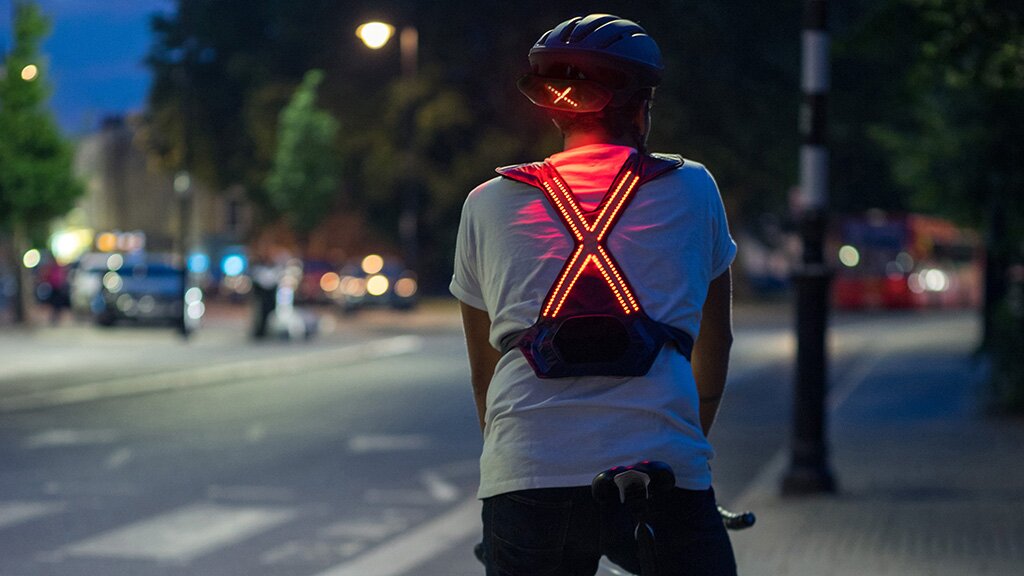
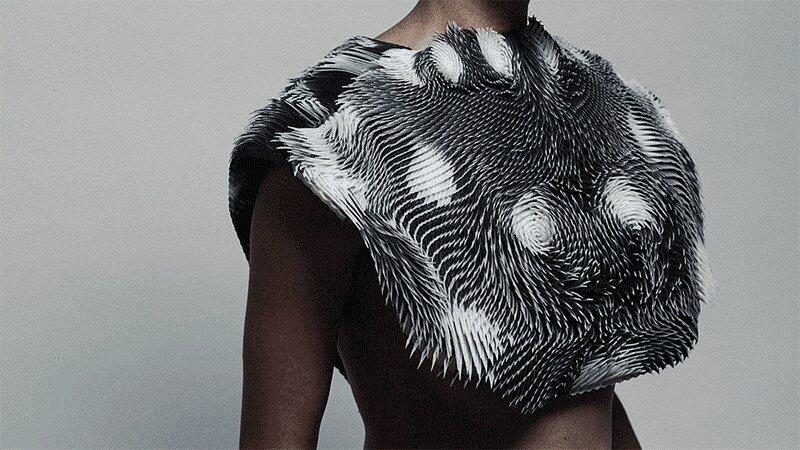
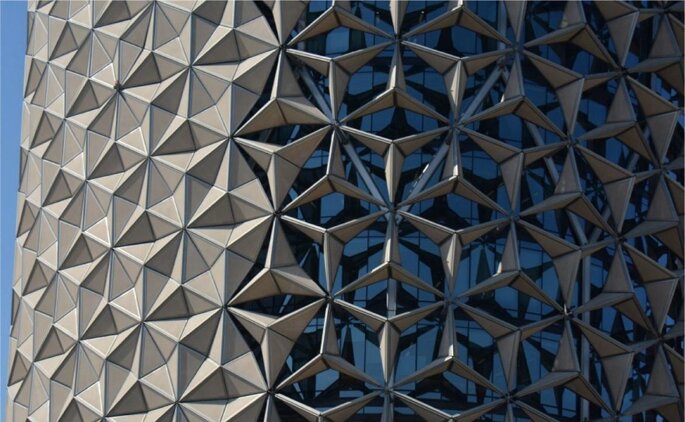
A few features I want:
- The sewn pattern should be able to be tiled in any direction, and pixels shouldn't mechanically interfere with each other when actuated
- When an individual pixel is actuated (one color when off), it should open/reveal an underlying surface with a different color — which could be interchangeable depending on the exact design
- You should be able to set pixels to a range of in-between states
- The entire array should be completely flexible and deformable to almost any shape
- This should be able to detect touch and/or gestures (swiping, holding, etc)
- It should lay flat within a certain thickness, and become 2.5D when displaying something
- Updates should be sent and displayed within a certain timeframe, or according to a target maximum FPS
- The design should be able to scale to certain minimum/maximum pixel sizes
- (add other engineering constraints here)
For the modelling assignment, I'm using CLO, a program that lets you simulate garment patterns and such. There are three types of individual pixel/unit designs that I'm interested in right now:
- one that 'flips' like the page of a book (+ accordion-like, or kirigami)
- one that 'breathes' by expanding/contracting along curved stitches (+ slashing, or a net, or maybe a ribbed texture)
- one that 'blooms' by rotating or something (+ origami/kirigami tessellation-like)
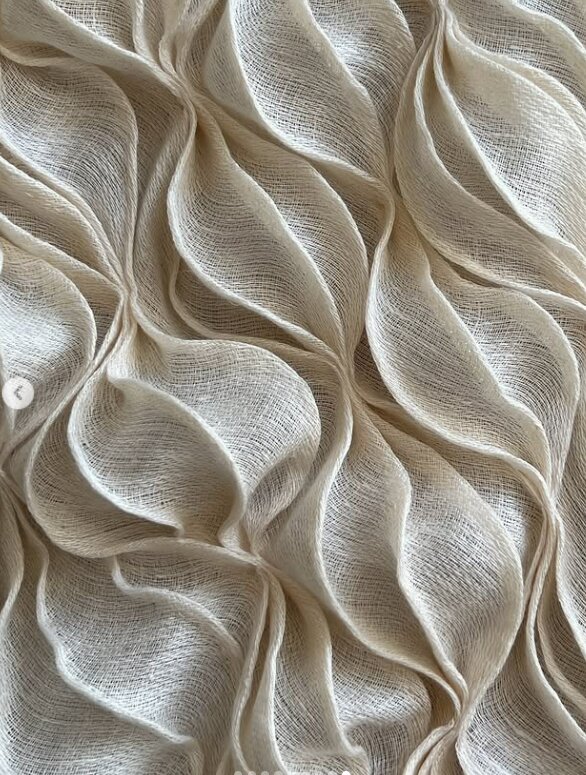
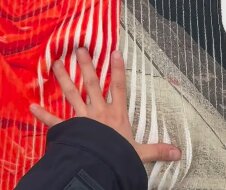
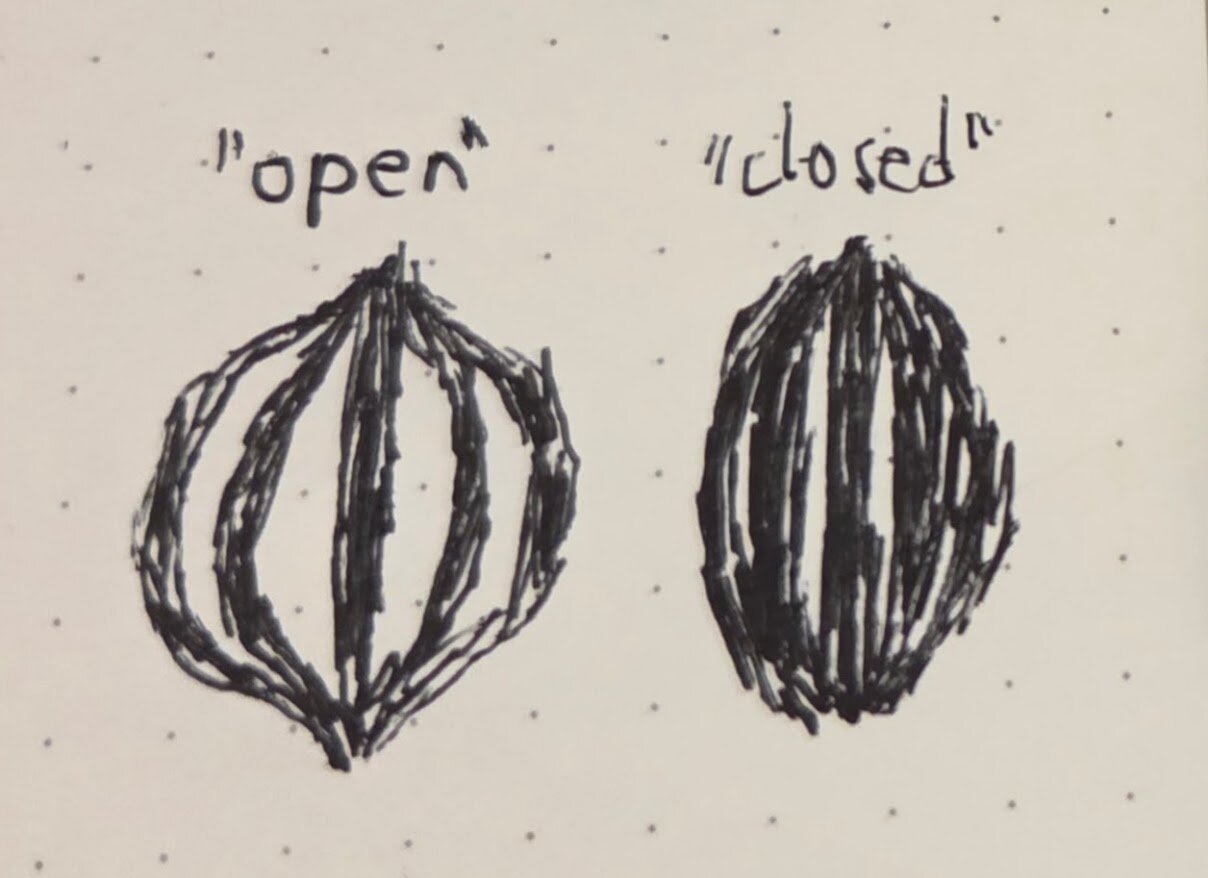
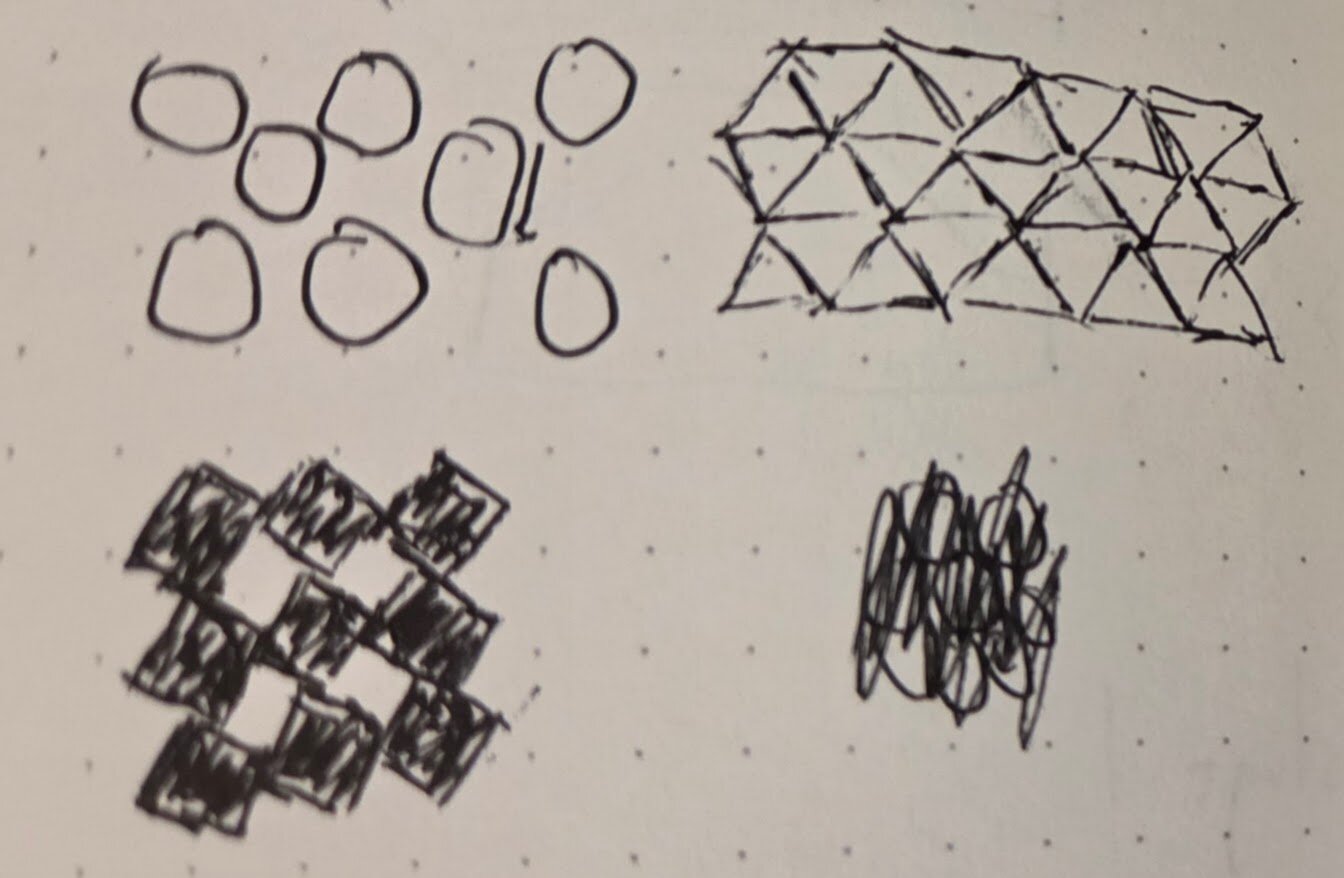
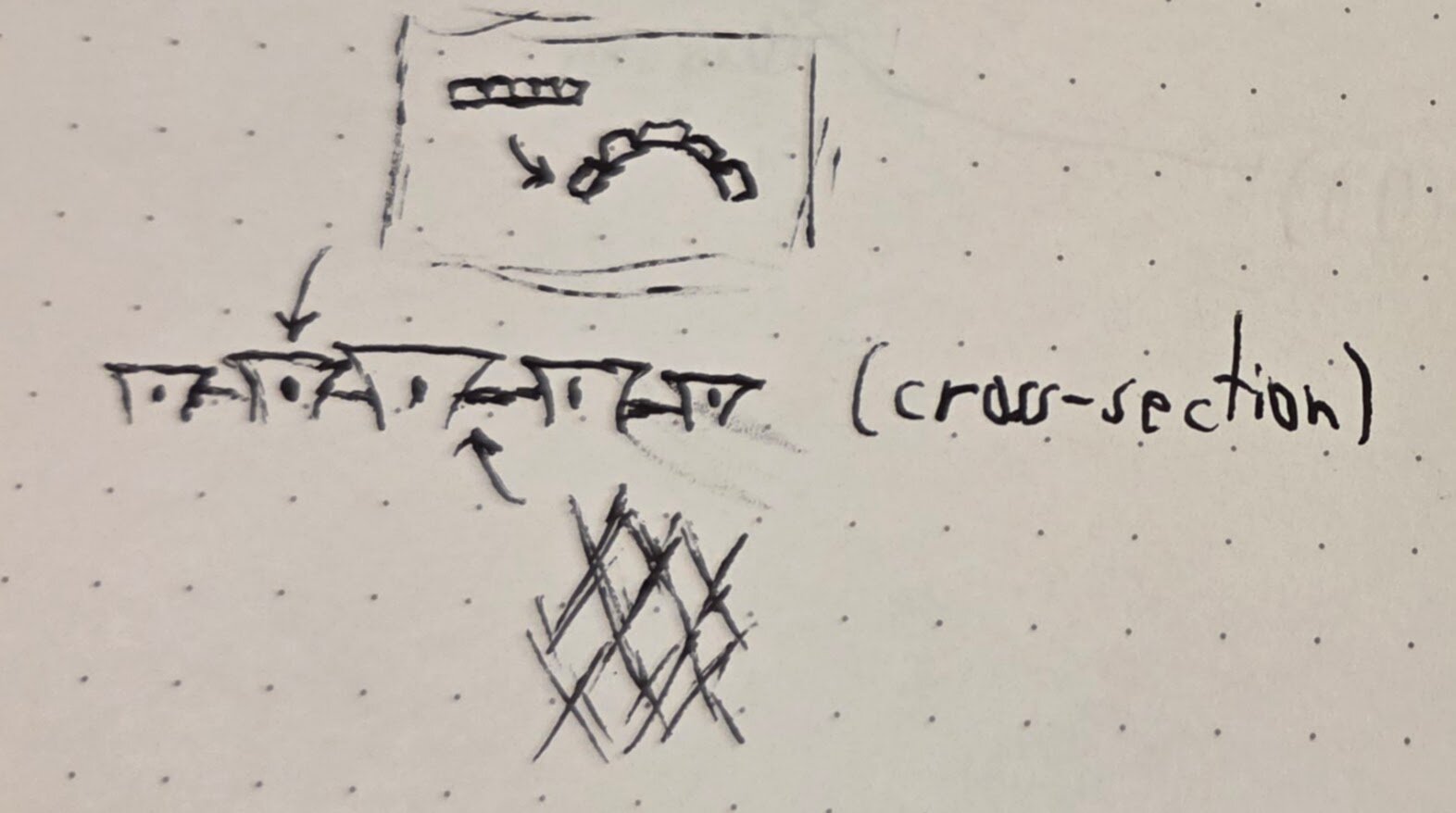
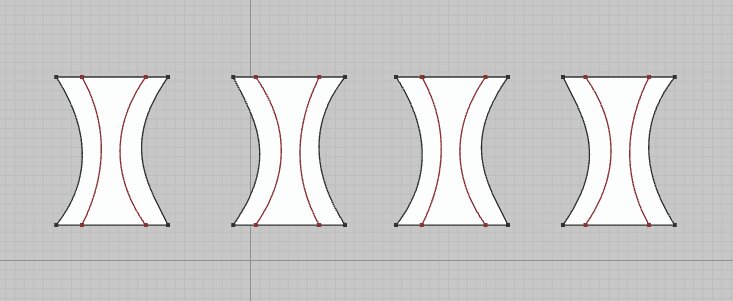
I messed around in CLO for a bit and found that this symmetric hourglass curve shape worked, kind of! I know next to nothing about sewing and fashion design, so this will definitely change later, and is just for visualization.
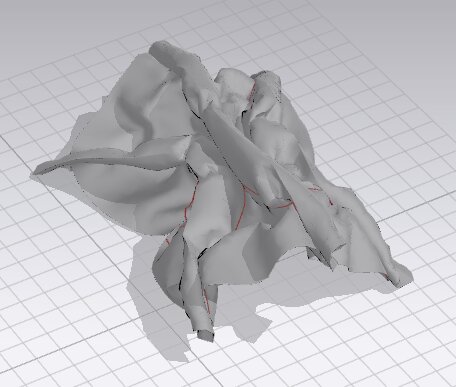
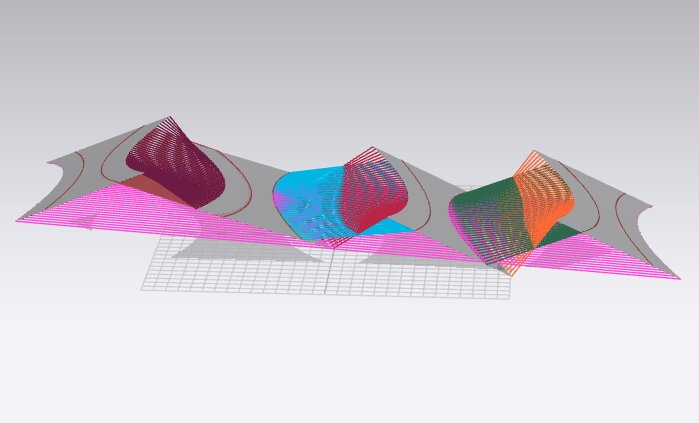
There are a lot of challenges I'm anticipating: physical multiplexing (since I probably won't be able to buy very many actuators), consistent manufacturing (parts need to be the same for clean display), wire and power management (electronics design/simulation week will be important to this, probably), choosing the right fabrics, learning how to sew,
These hopefully won't be too bad. The design process will probably look something like this:
- Define desired attributes/properties (mechanical, qualitative, etc) for individual units + the entire assembly
- Start small, experimenting with individual unit designs + actuation methods + materials
- will probably make small rigs with motors and such to test actuation, etc + iterative eval, quantitative and qualitative
- Computationally generate a fabric pattern and either simulate it or make it irl
- Scale up from there: consistent fabrication for the entire fabric pattern, methods for sewing things in, consistent part manufacturing, modelling for the frame/skeleton, etc
- As I learn more about electronics, embedded programming, networking, and system design, work out the wiring, message passing, etc for uniform updates / target FPS (?)
- Do a bit more background research for applications ↔ demo