"Ash nazg durbatulûk, ash nazg gimbatul, ash nazg thrakatulûk agh burzum-ishi krimpatul" - Sauron
In my research and personal life, I've had a burning desire to melt metals and cast them into something else. Unfortunately, throughout my life, neither my wallet, my mother's garage, nor my relationship with EHS had facilitated the opportunity to acquire a furnace. For my final project, I propose making something that can make other things: rings, to be exact.
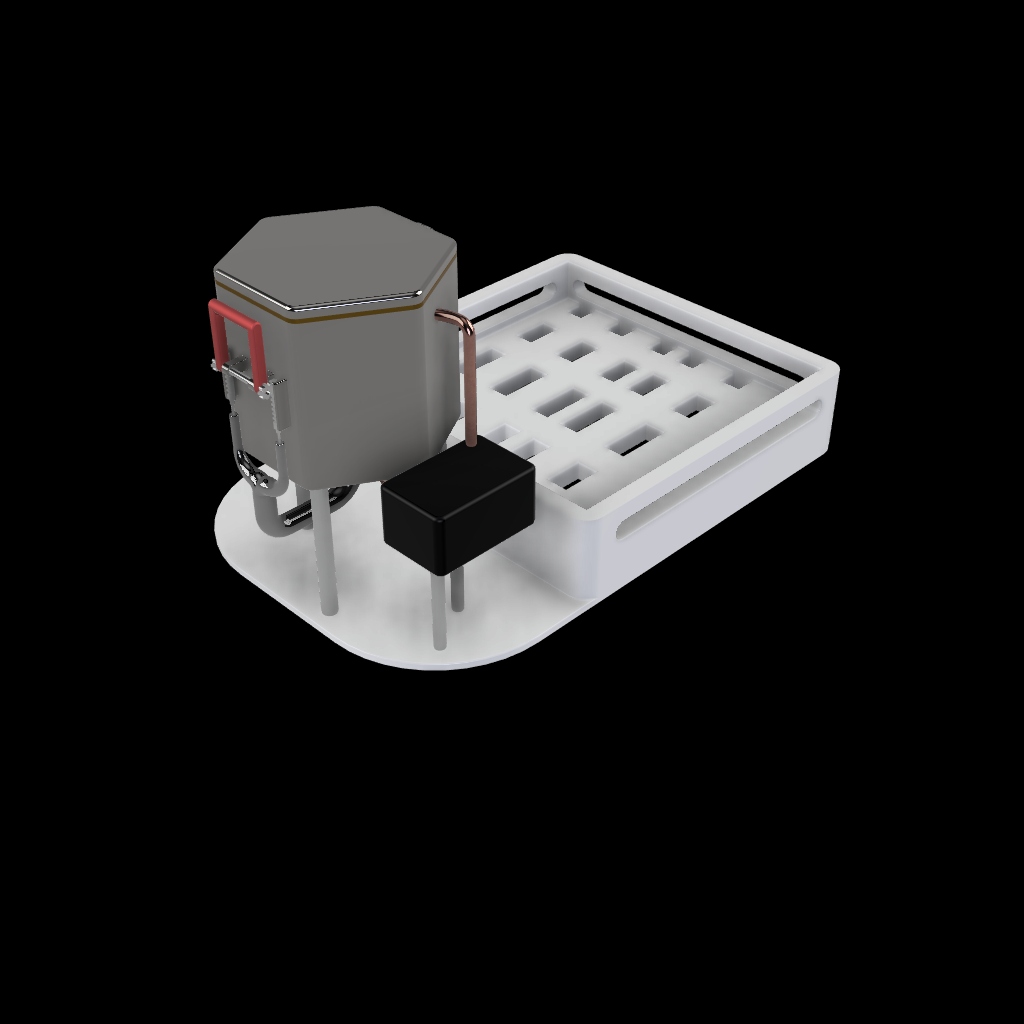
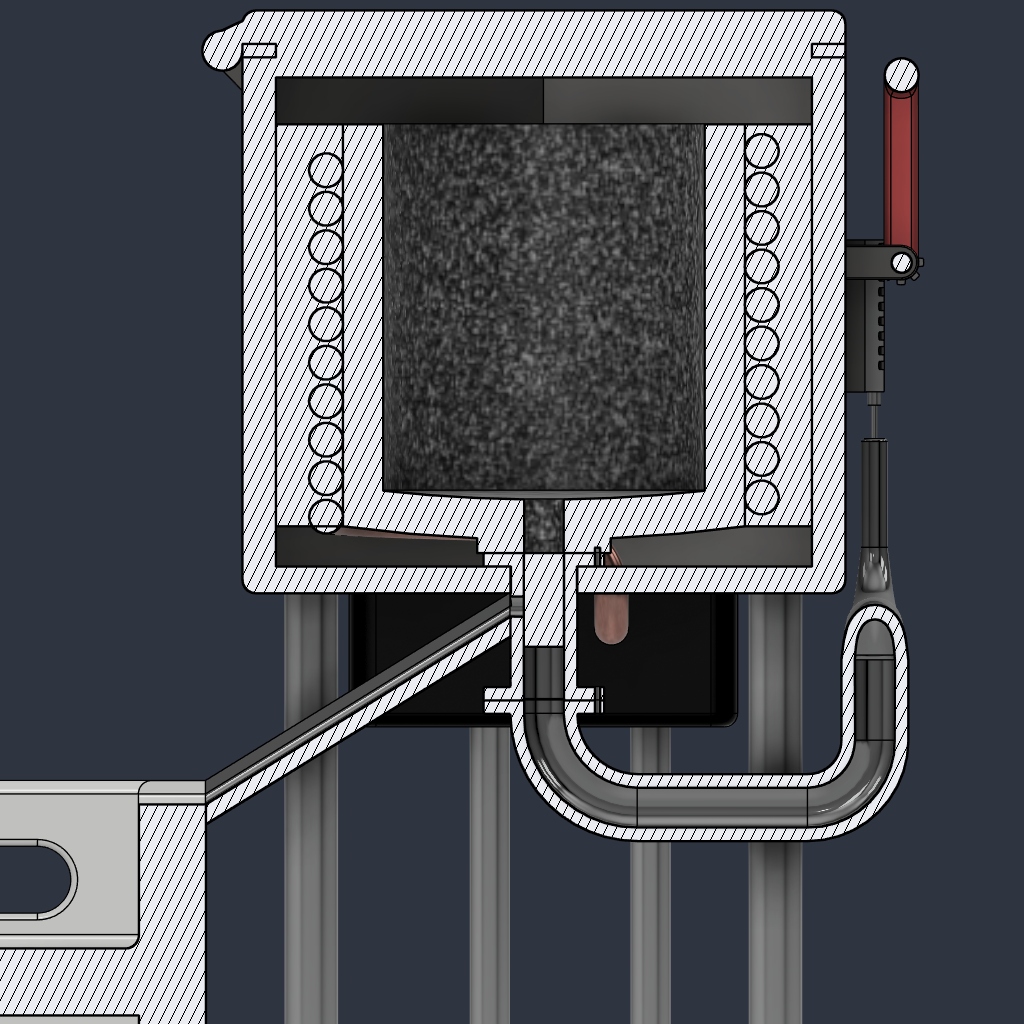
In theory, a furnace is not a particularly difficult tool to make: I have quite literally seen DIY YouTubers use a cooking pot filled with a ceramic, jerry-rigged with a combustion system. The most recognizable feature of the furnace I aim to make is the induction coil, which is fairly universal and wraps around a ceramic crucible that I aim to cast / fabricate myself.
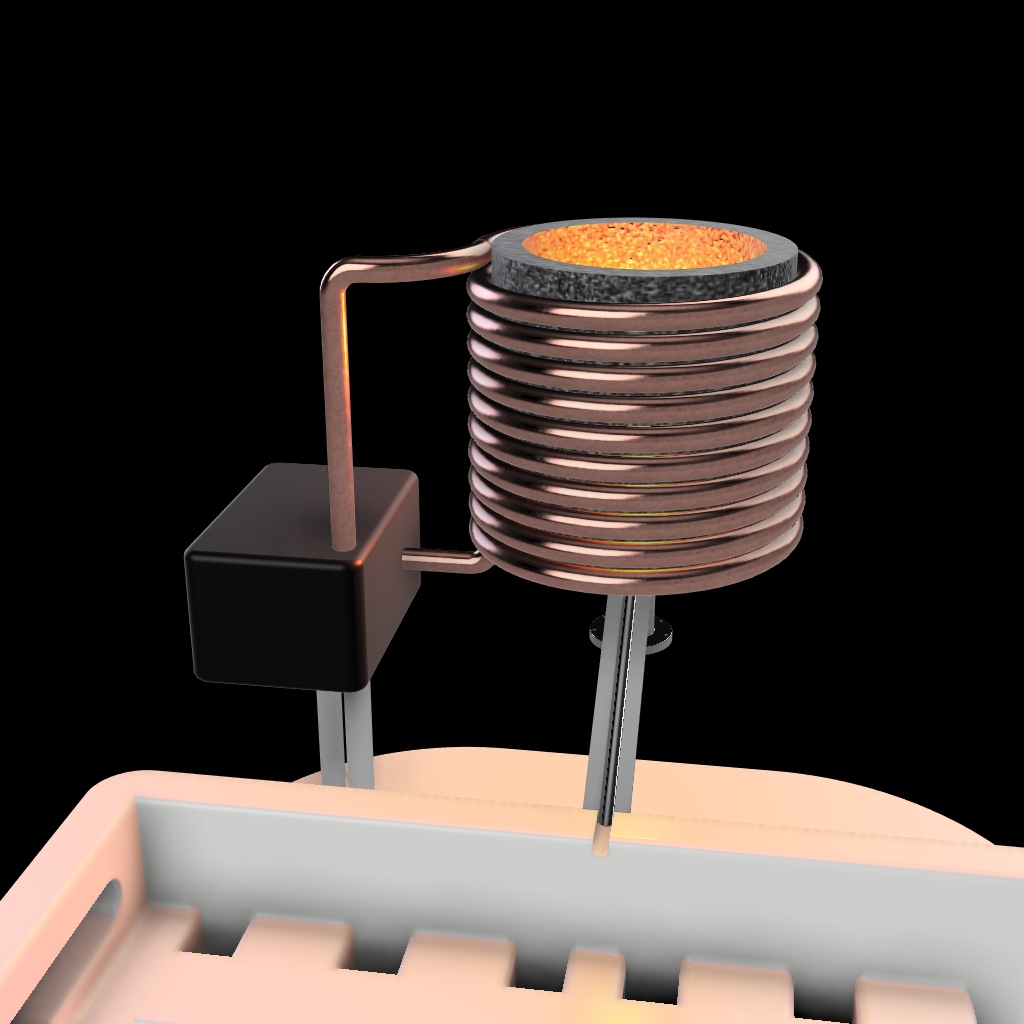
However, I do aim to distinguish-and challenge-my design with the inclusion of an automated tapping system. Normally, folks take out a crucible with molten metal taking out tongs and pour the melt into a cast. I'm curious if I could use a hydraulic piston (of sorts) to open an orifice at the base of the crucible. Granted, this introduces a slew of engineering challenges (e.g., thermal expansion of the piston resulting in higher friction, boiling of the hydraulic liquid, interfacing / drilling into the crucible to seal the piston chamber, etc.). It would be a neat experiment, however, which I am open to giving a shot.
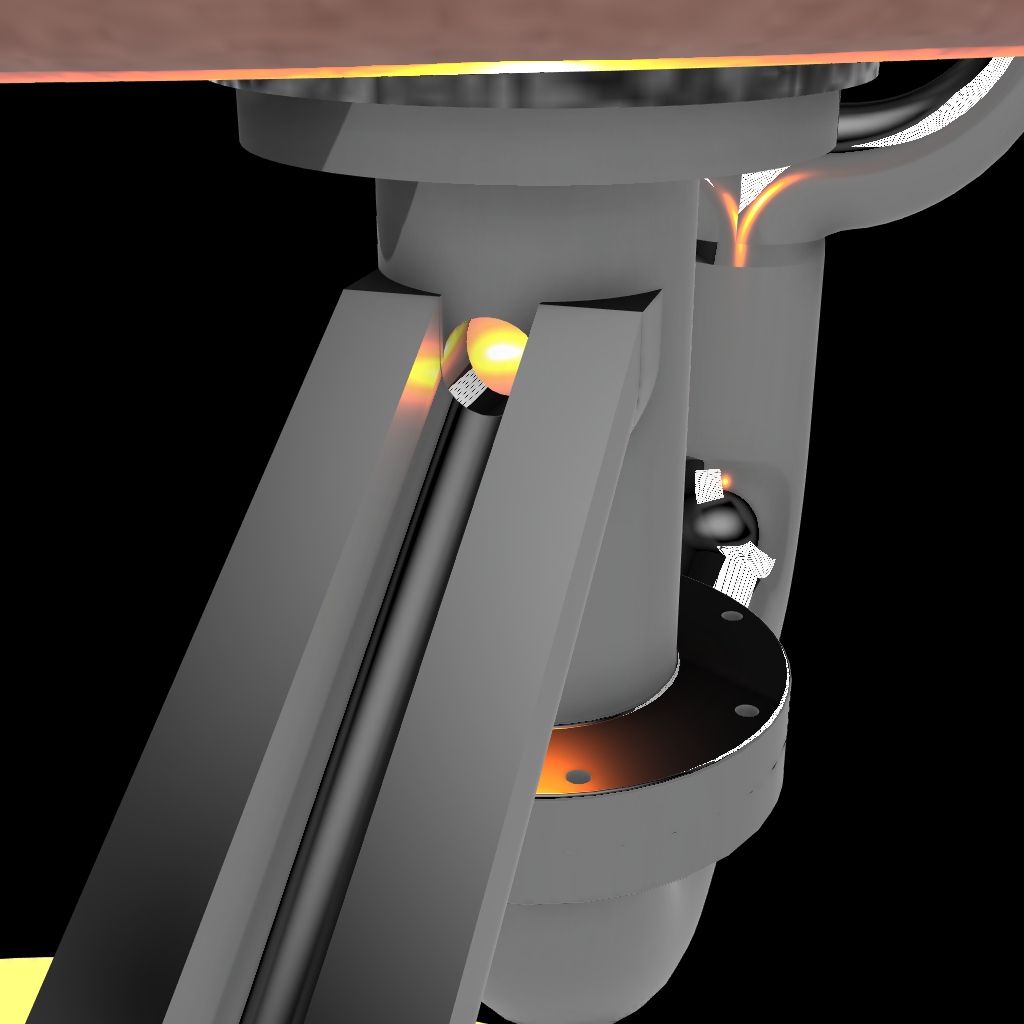
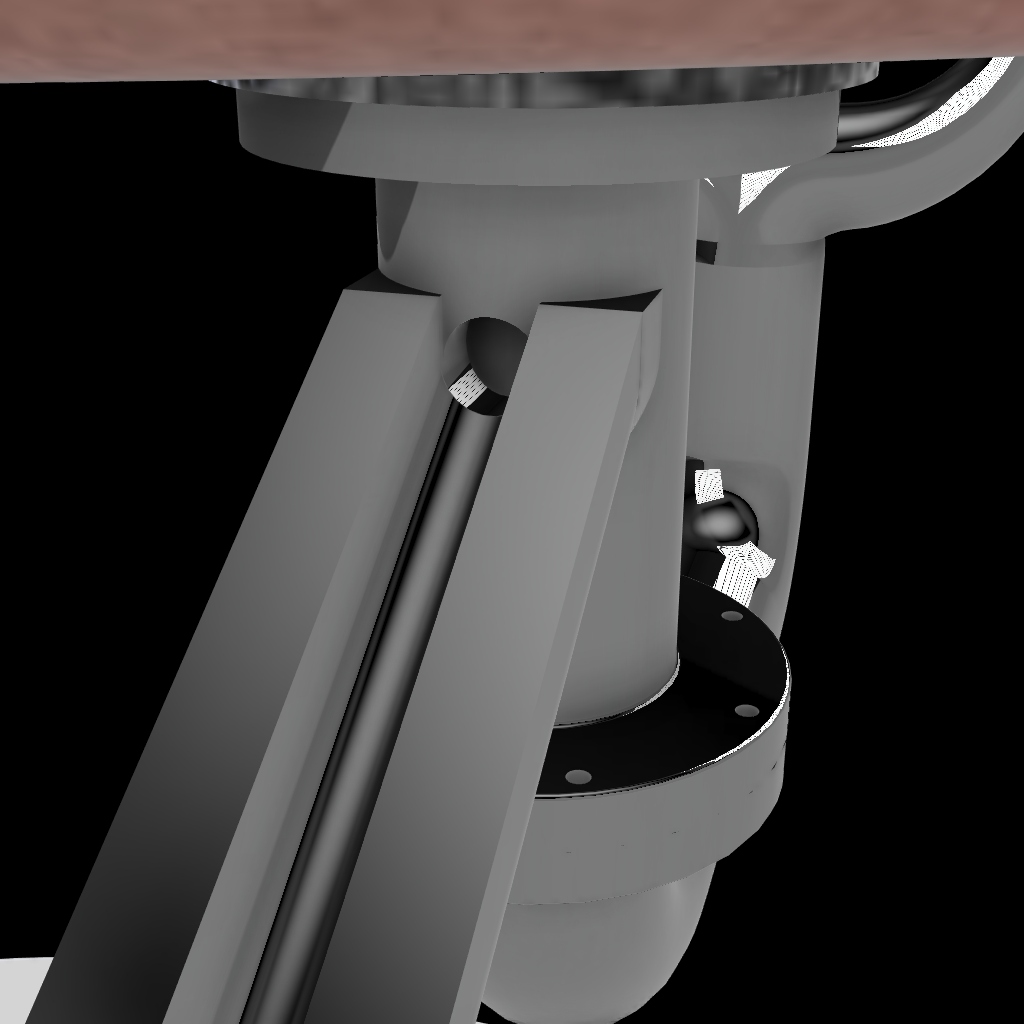
The best solution I could come up for actuating the pistons was using a rack and pinion connected to a manual lever mounted on the side of the furnace. It is not particularly elegant, but I believe it may be more cost-effective than buying (or making) a high-torque motor. Do keep in mind, this proof-of-concept CAD does not use the right proportions or properly-sized gears / pistons: this is merely to communicate the original design intent
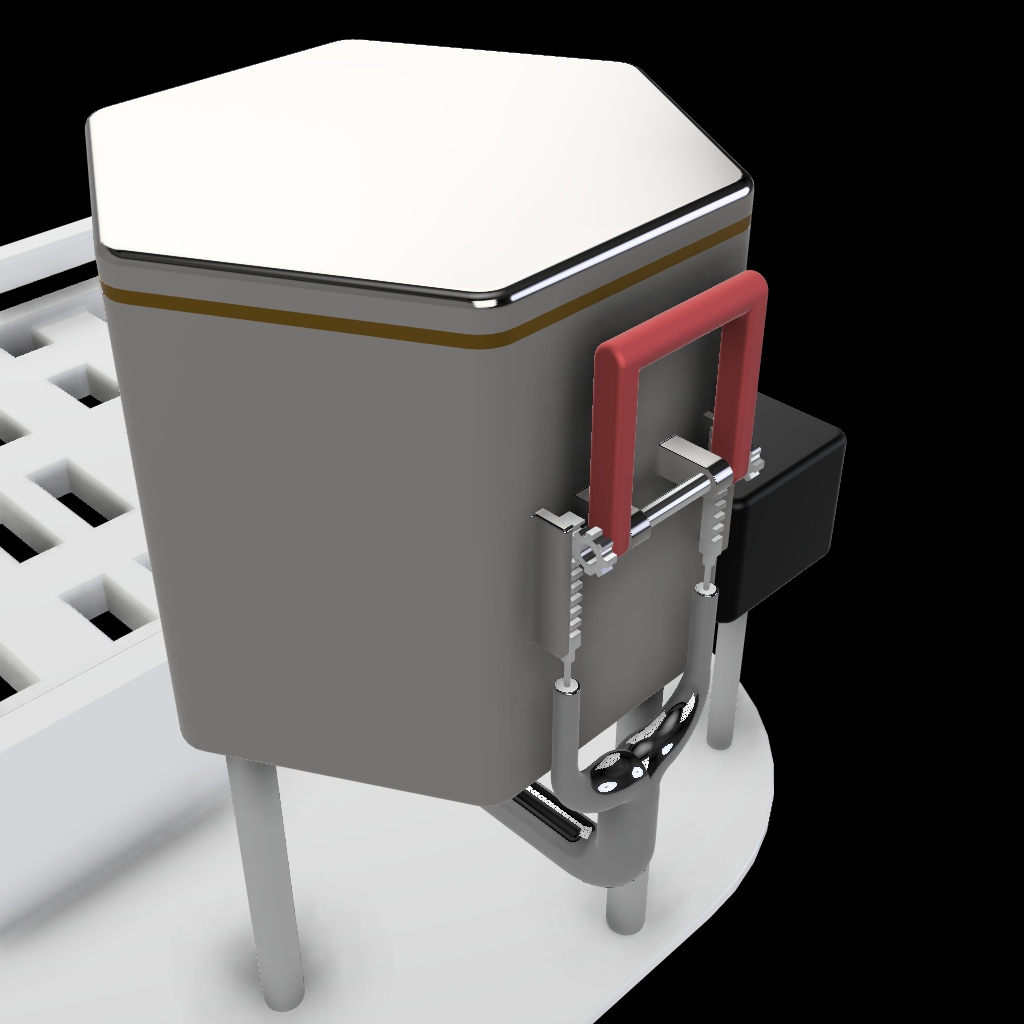
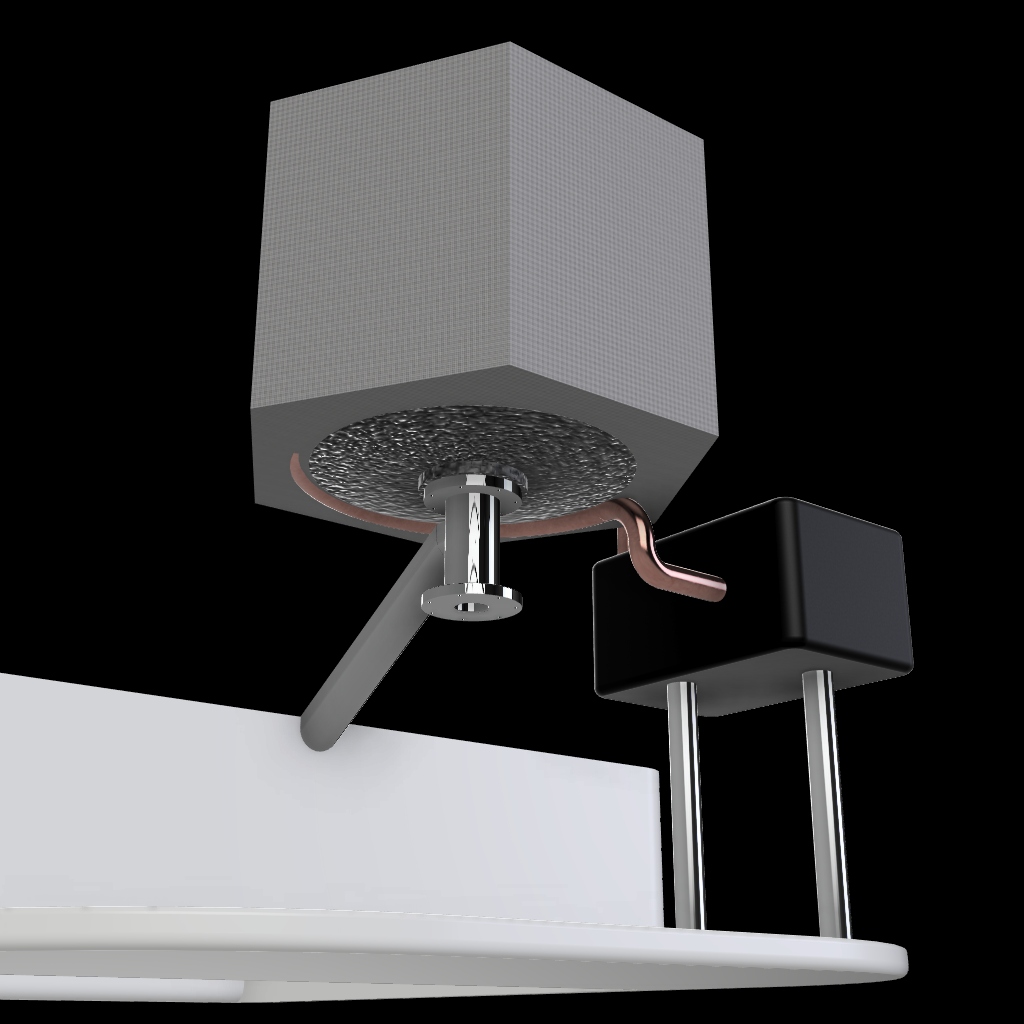
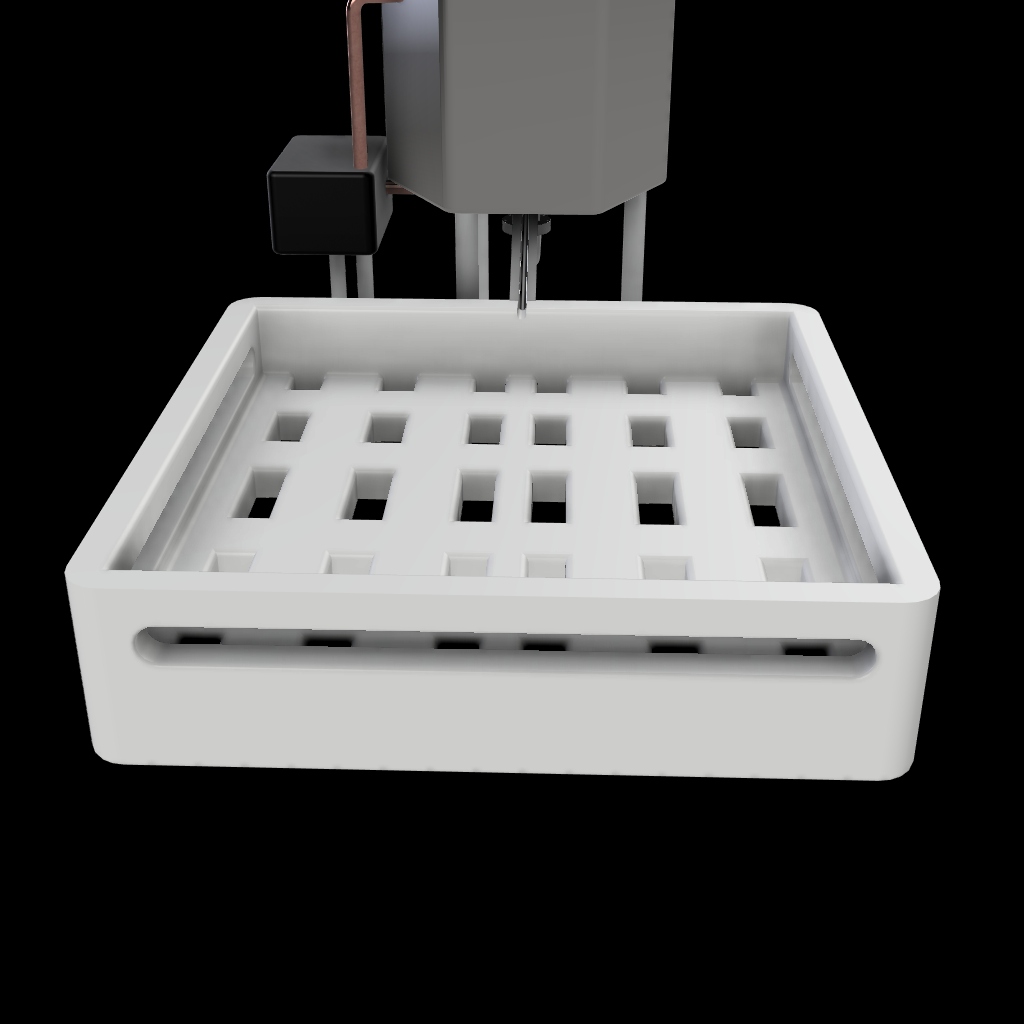
The final feature worth mentioning is the casting bed. Despite my original attempt to cast soft metals like gold and silver into rings, I would hate to limit this desktop furnace with regards to volume. As such, I propose having a bed with slots for clamps, so that molds of various sizes can be fixed to the bed in a modular fashion. For the record, I'm not quite sure at the moment whether I'll be able to make something that can melt iron and produce steels. That would be a dream, but I'll see what is feasible given the material and time constraints.