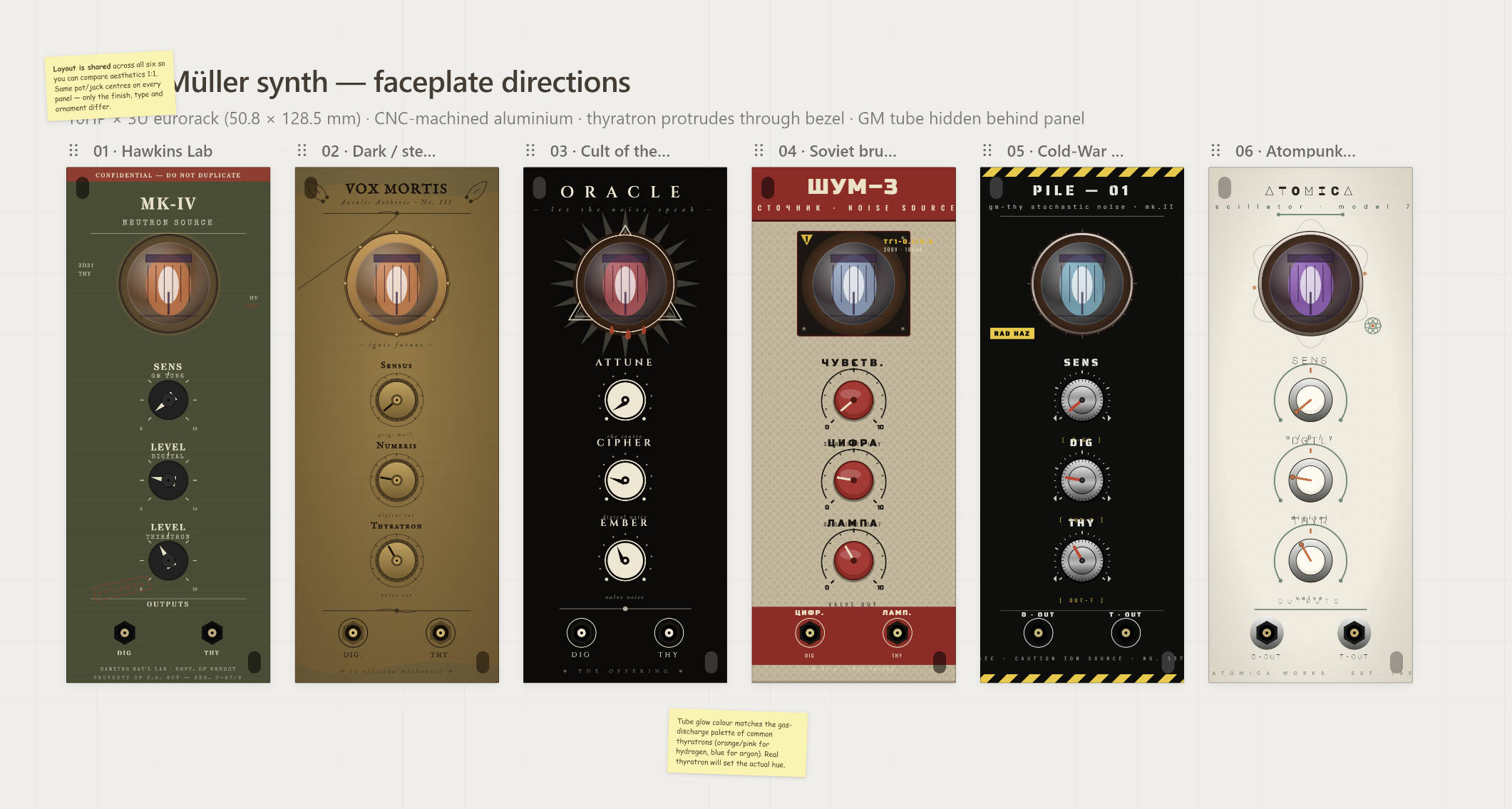
Final Project — Eurorack Geiger Counter Synthesizer
A random noise generator built with a Geiger–Müller tube that senses background radiation. The detected radiation event will pass through two parallel stages: a transistor and a thyratron (fancy gas-filled vacuum tube) stage, which both color the pulse in their own ways!
Introduction
First of all, what is a synthesizer? It is a musical instrument that creates and shapes audio by using electronic circuits. Now, people in the audio community usually reach for the typical stuff like operational amplifiers, filters, etc.; however, what we'll create the sound with will be something unusual.
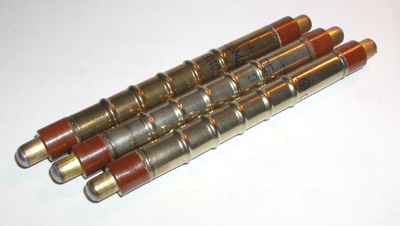
Old radiation detectors used a component called the Geiger–Müller tube; its operation is very simple: a tube filled with low-pressure gas has a tiny wire in the middle. If radiation hits the gas, it ionizes it, and that tiny speck of plasma allows current to flow between the wire and the outer casing of the tube. This is what produces the famous Geiger counter clicking sound. In theory, we could use this signal as an output of our synthesizer module, creating a very distinctive, yet interesting sound.
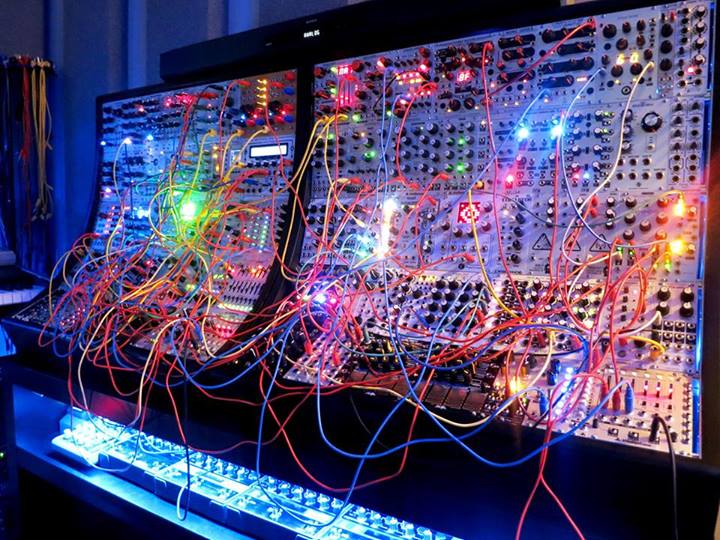
Eurorack is a form factor for modular synthesizers. It is a standardized sizing system allowing modules from different manufacturers to fit inside the same Eurorack case and function off the same power source. Below is a CAD model outlining the rough idea of what the Geiger counter module may look like.
The electronics will house a filtered high-voltage power supply of around 400V, which the Geiger–Müller tube requires to operate. Second, the PCB will house the tube itself. And lastly, there will be two signal paths: one through the thyratron stage, coloring the sound, and the other through a transistor amplification stage. Both circuits will have a separate volume knob potentiometer and an output jack compatible with the Eurorack system.
Furthermore, the front plate will be CNC cut out of aluminum, bead blasted, and anodized to the desirable color as part of my How to Make final project. I also experimented with some Claude Code generated images of possible designs; however, I like the raw color of the bead-blasted aluminum the most.