Hi! I'm Nijat, an architect, researcher and computational designer, and a SMArchS Computation student at MIT. I like working where digital fabrication, material intelligence and machine agency meet.
I'm in Mariana Popescu's Tailored Materiality research group, and I'm interested in working on inflatable textile structures.
Before MIT, I studied architecture at Istanbul Technical University and did a Master of Advanced Studies in Digital Fabrication at ETH Zürich. My thesis on 3D bioprinting, supervised by Andrea Ling and Prof. Benjamin Dillenburger, looked at living bacterial systems as active design partners rather than passive media, and was later published in 3D Printing and Additive Manufacturing.
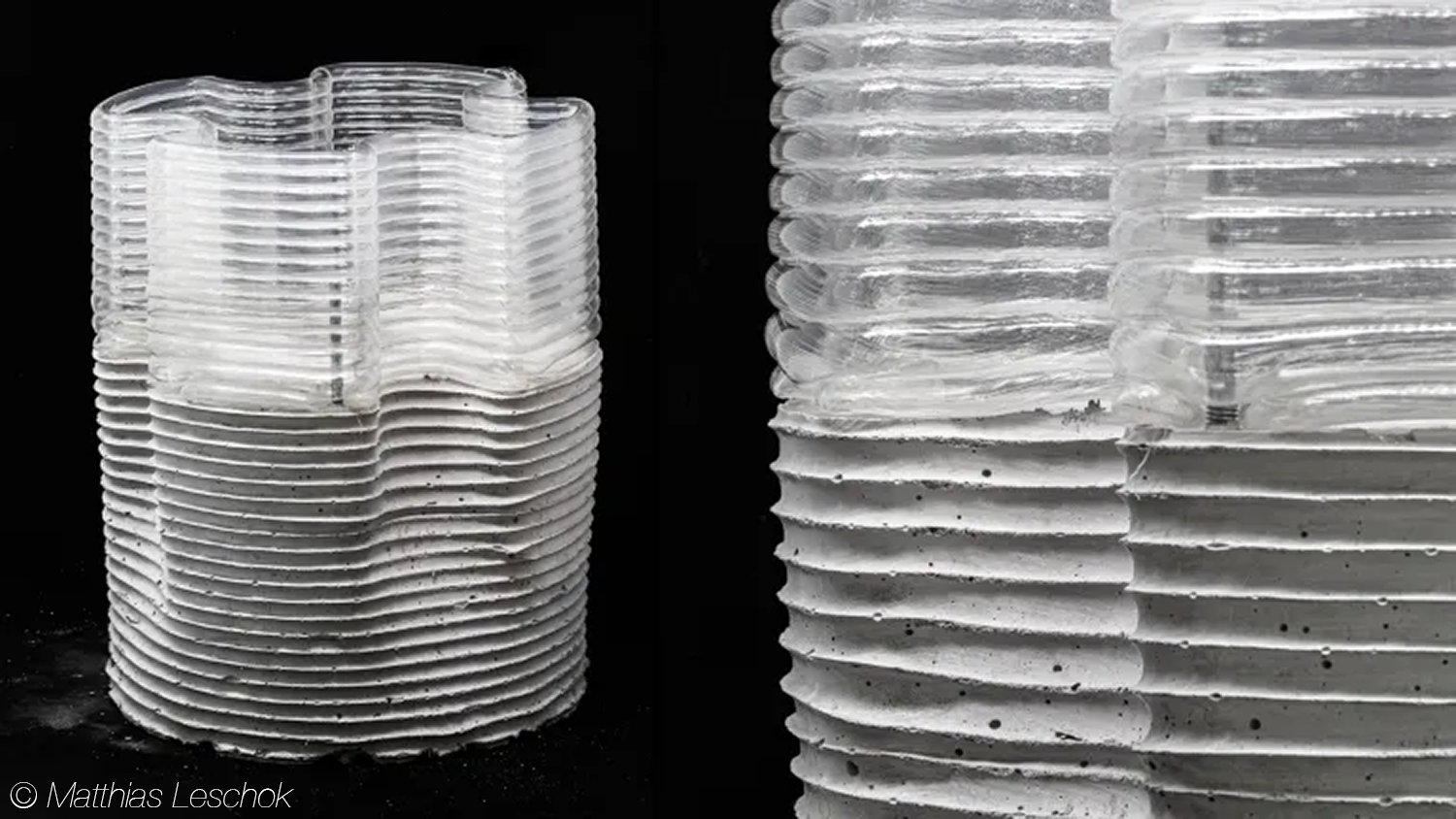
After that I stayed at ETH as a researcher at Digital Building Technologies (DBT). I worked on Picoplanktonics, Canada's official representation at the 2025 Venice Biennale of Architecture, on robotic control strategies for living materials (the project continues with Picoplanktonics 2.0, exhibited in Budapest). On Tor Alva, a 3D-printed concrete tower, I documented and laser-scanned the printing to analyze the deviations between the digital model and the physical result, and I co-supervised OrnaNet, a master's thesis on a machine-learning platform for predicting fabrication deviations/ornaments in robotic concrete extrusion.
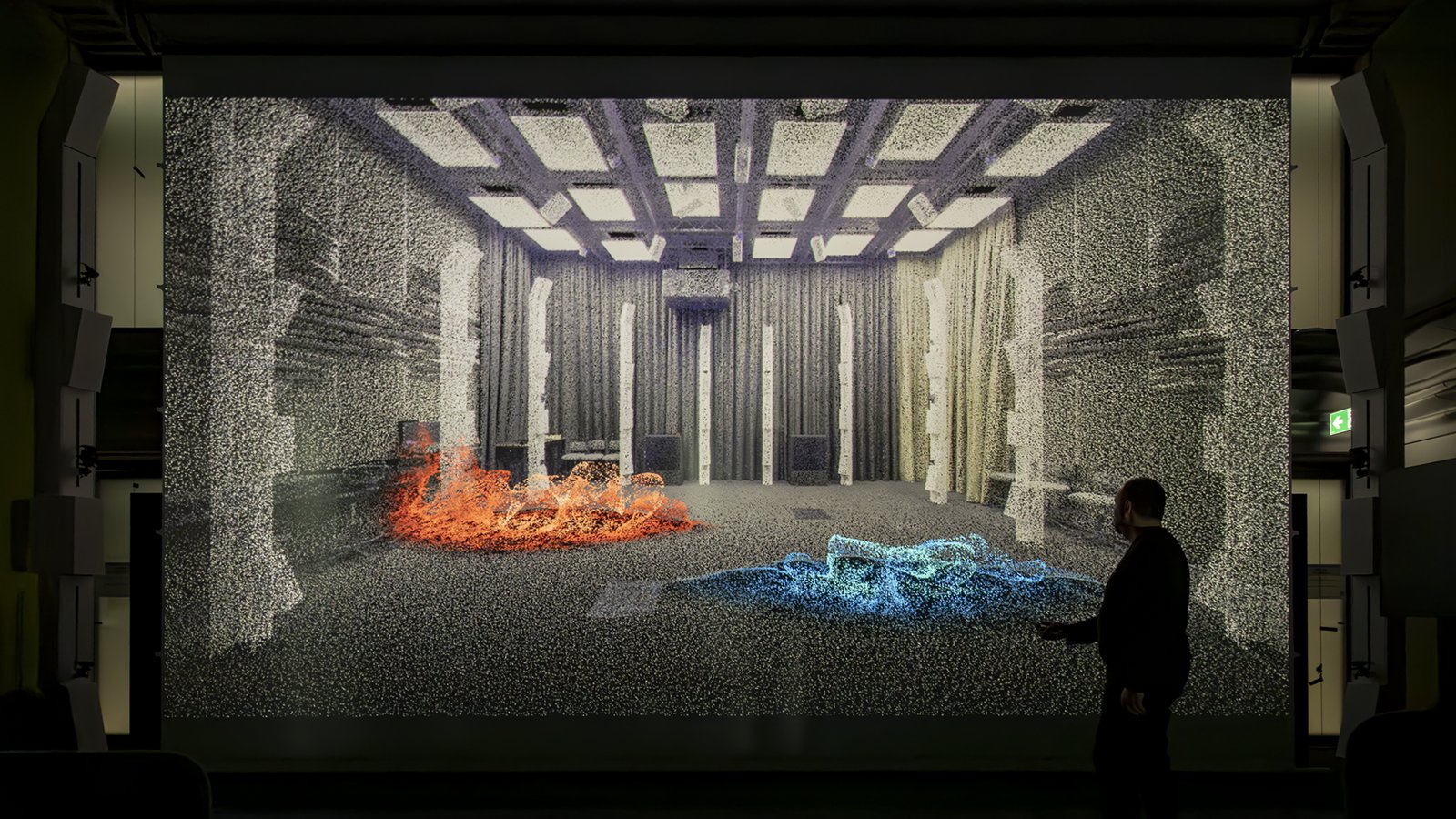
As Operational Co-lead of the Immersive Design Laboratory (IDL) at Design++, I developed real-time XR platforms for architectural sensing and degradation analysis, like La Cathédrale Immersive, an AR application developed at PCBM that uses object localization. There I also taught Immersive Realities, a seminar week on crafting virtual experiences through real-time acoustic simulation in game engines.
Across all of it, I treat the agency of materials, biological systems and AI models not as noise to be eliminated, but as design partners to be negotiated with.
In HTMAA I'm building toward my final project: inflatable textile modules with their own intelligence, where ropes embedded in the textile cover are pulled by small motors with force and position sensing, so the modules can be assembled into bigger structures faster and easier. So far it has been an emotional rollercoaster (see week 05).
Outside the lab, I take pictures and explore ancient primitive stone tools (like the stone arrow in the footer).
More of my work: nijatmahamaliyev.com
Previous work