Emotional rollercoaster
I wanted to make a PCB that was in line with my final project.
In my final project I wanted to build robot(s)/machine(s) inspired by Self-replicating hierarchical modular robotic swarms (figures: Abdel-Rahman et al., 2022).
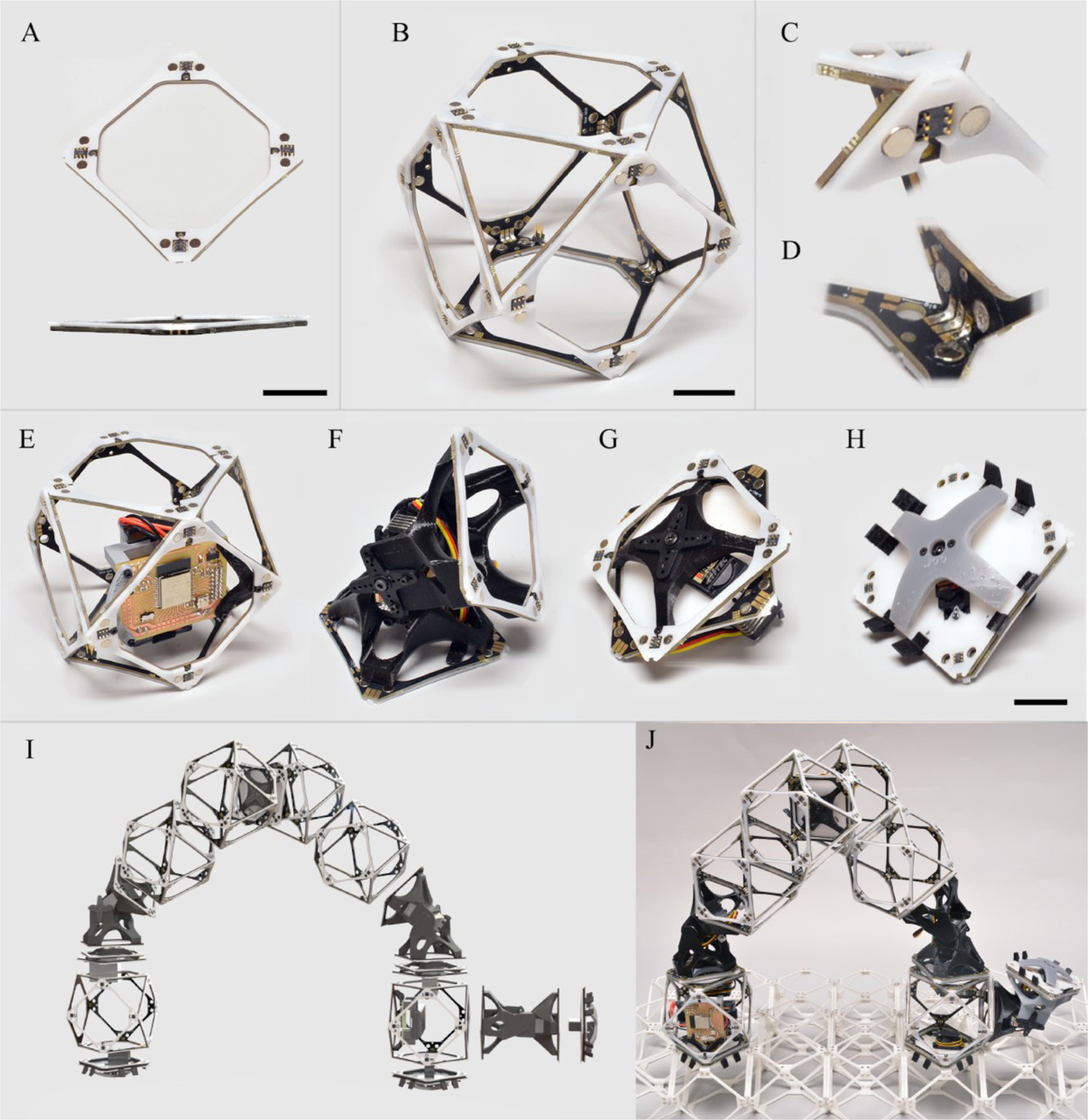
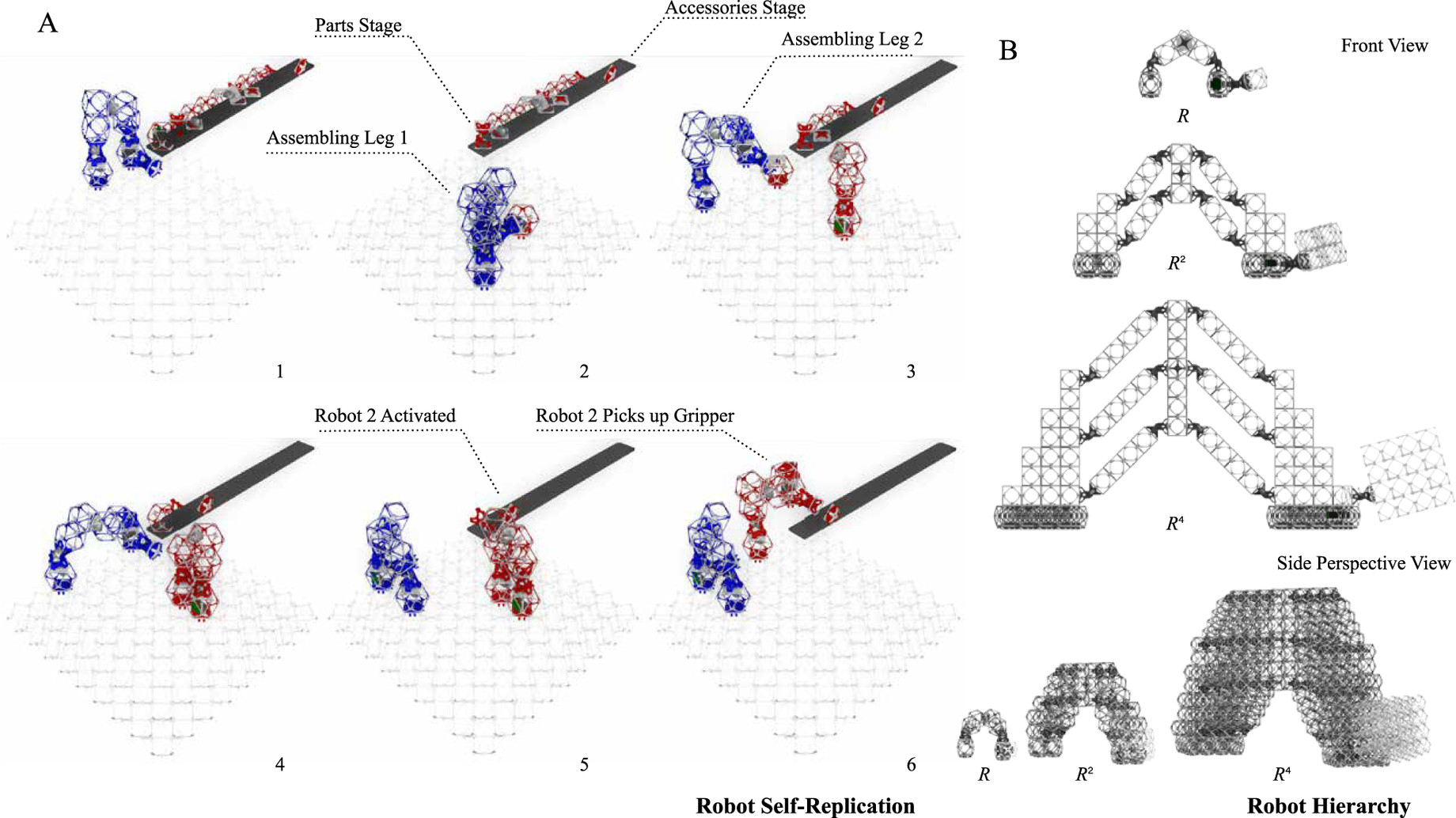
But instead of a swarm of building robots, I wanted to build modules that have their own intelligence, then inflate and assemble them, so that building bigger structures would be faster and easier.
Each module/machine is a pneumatically activated structure with a programmable textile cover, with embedded ropes to control the form. For the required digital form I was planning to use the ropes and the textile as the control surface, and each rope would have a motor with a force and position sensor on the wire roll.
For this I wanted to build a "SIMPLE" (Ohhh didn't know what I was startinggg by this simpleee) motor that has a force sensor and that I can get the position of. I checked the motor types, and a brushless motor looked great (Oh mannn I was sooo wrong).
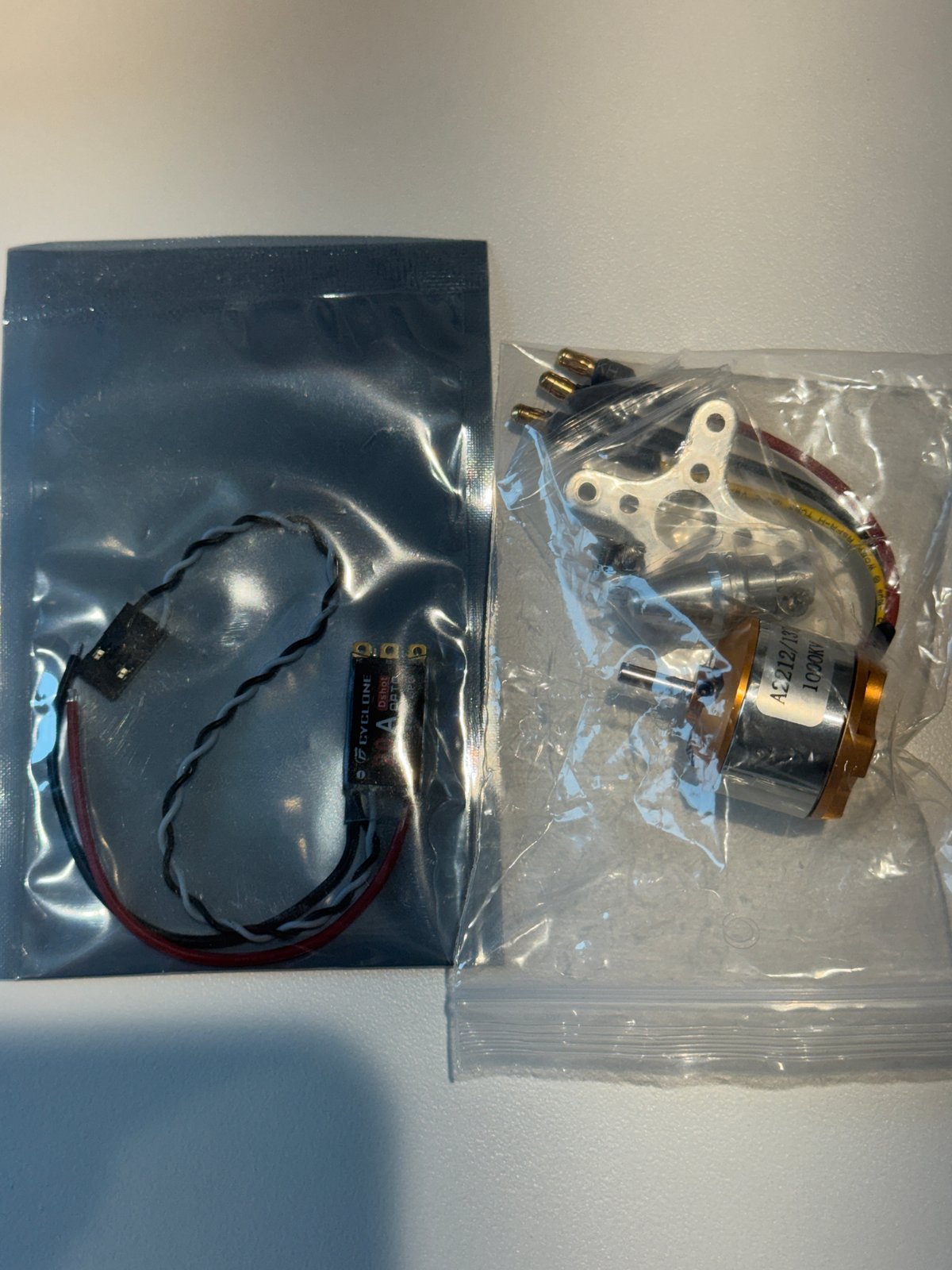
Apparently the ESC we have only controls unidirectional rotation, not full control. For my case I needed an FOC controller, but unfortunately it was too expensive, especially if I wanted to scale up and have 10s of these controlled motors.
Then I went to office hours for help (which was great and fantastic). Quentin kindly guided me and suggested checking load cells and a simple motor, and using a hall effect sensor with a diametrically magnetized magnet (which is super precise), and referred me to input devices week.
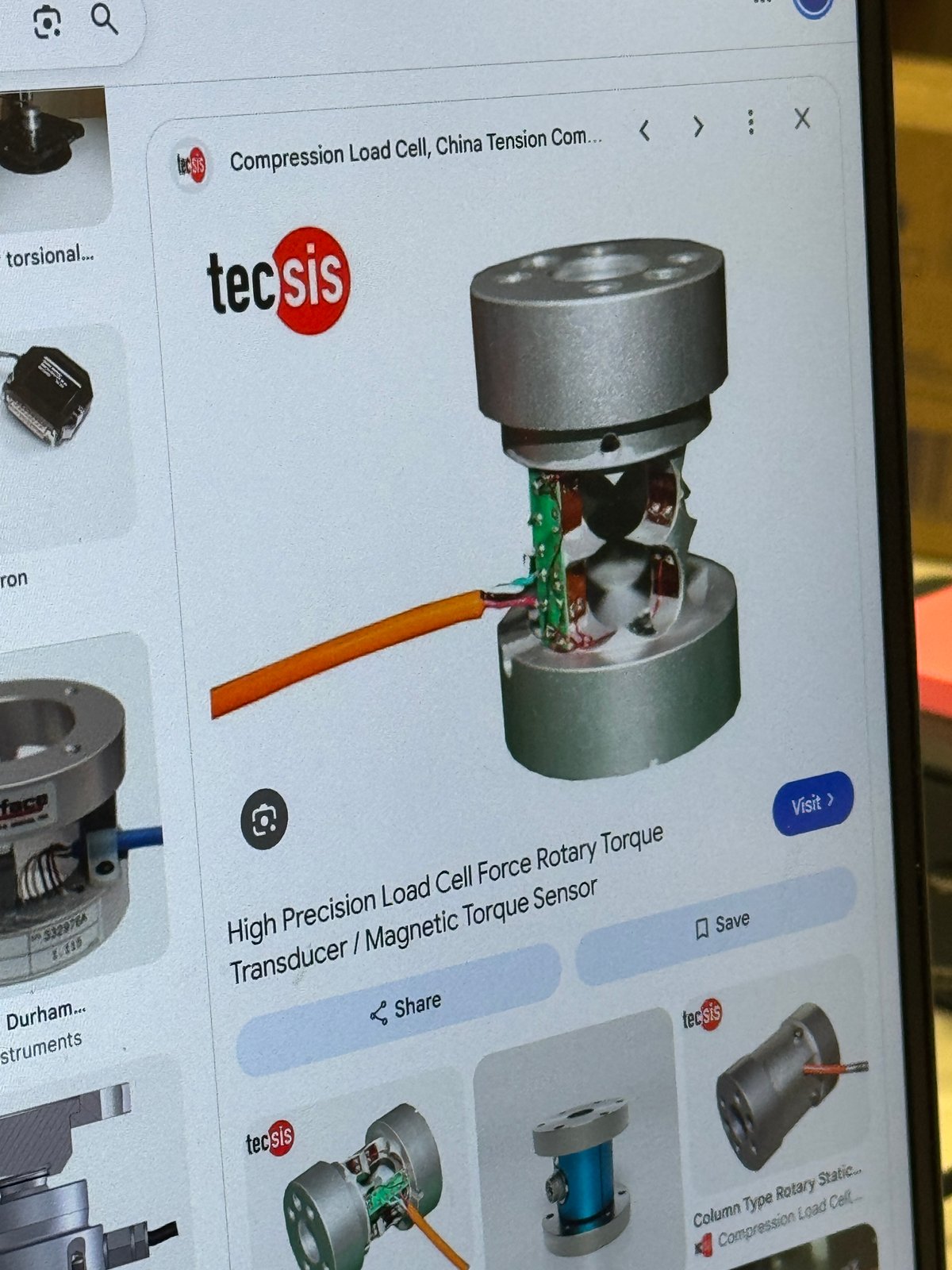
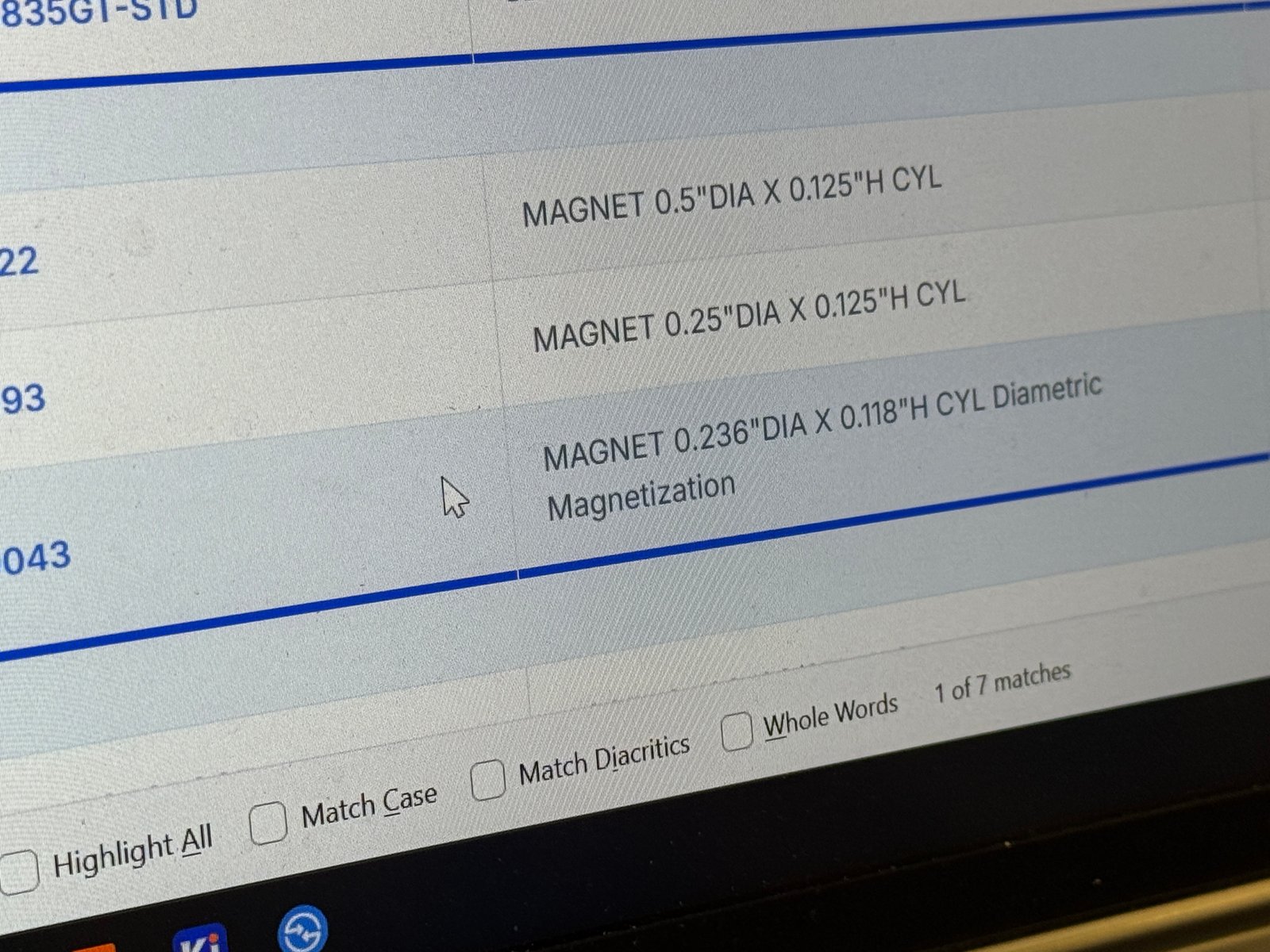
From that week I got the simple single motor with hall effect files (hello.MT6835.RP2040) and started designing my setup (images: input devices).
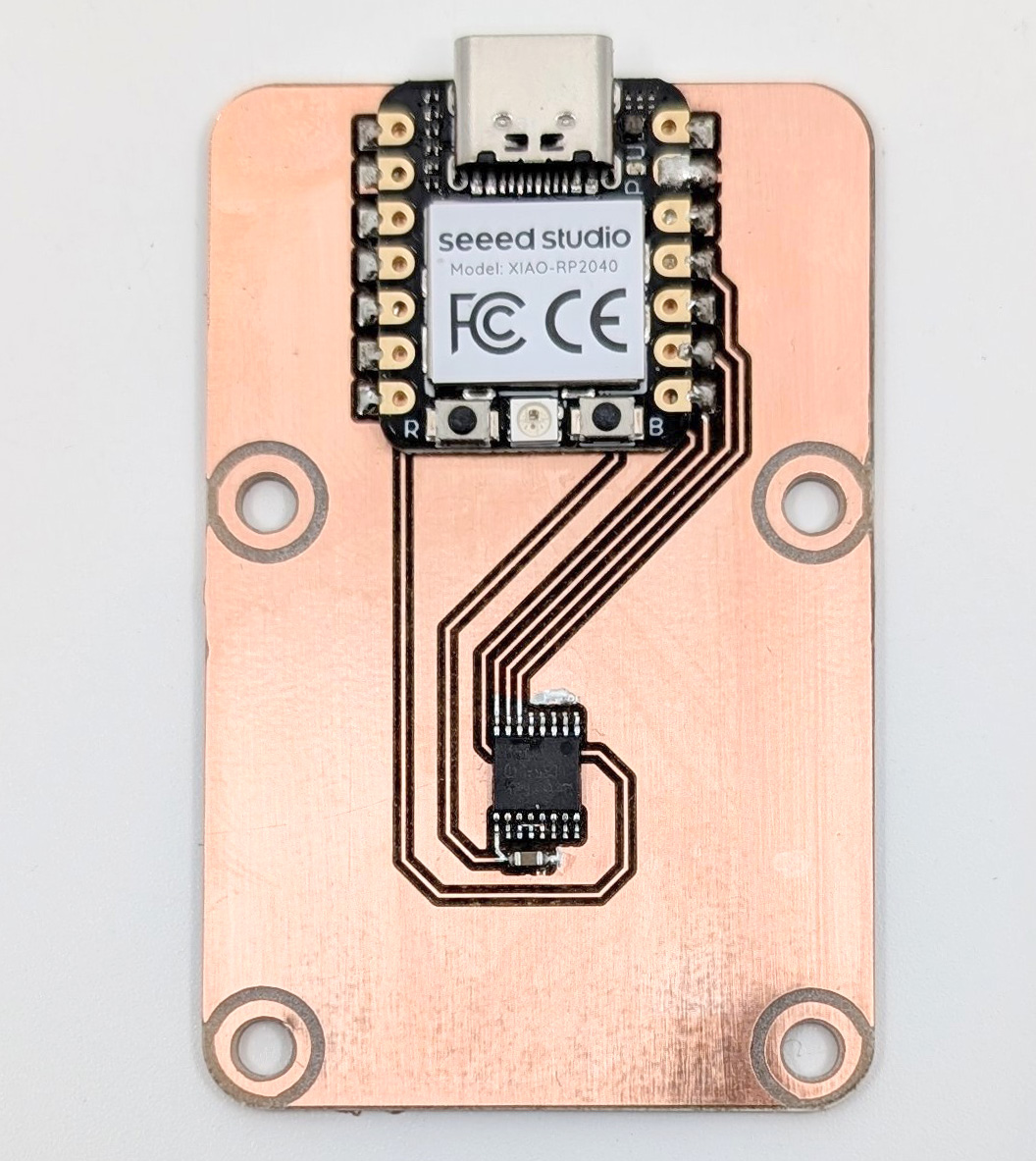
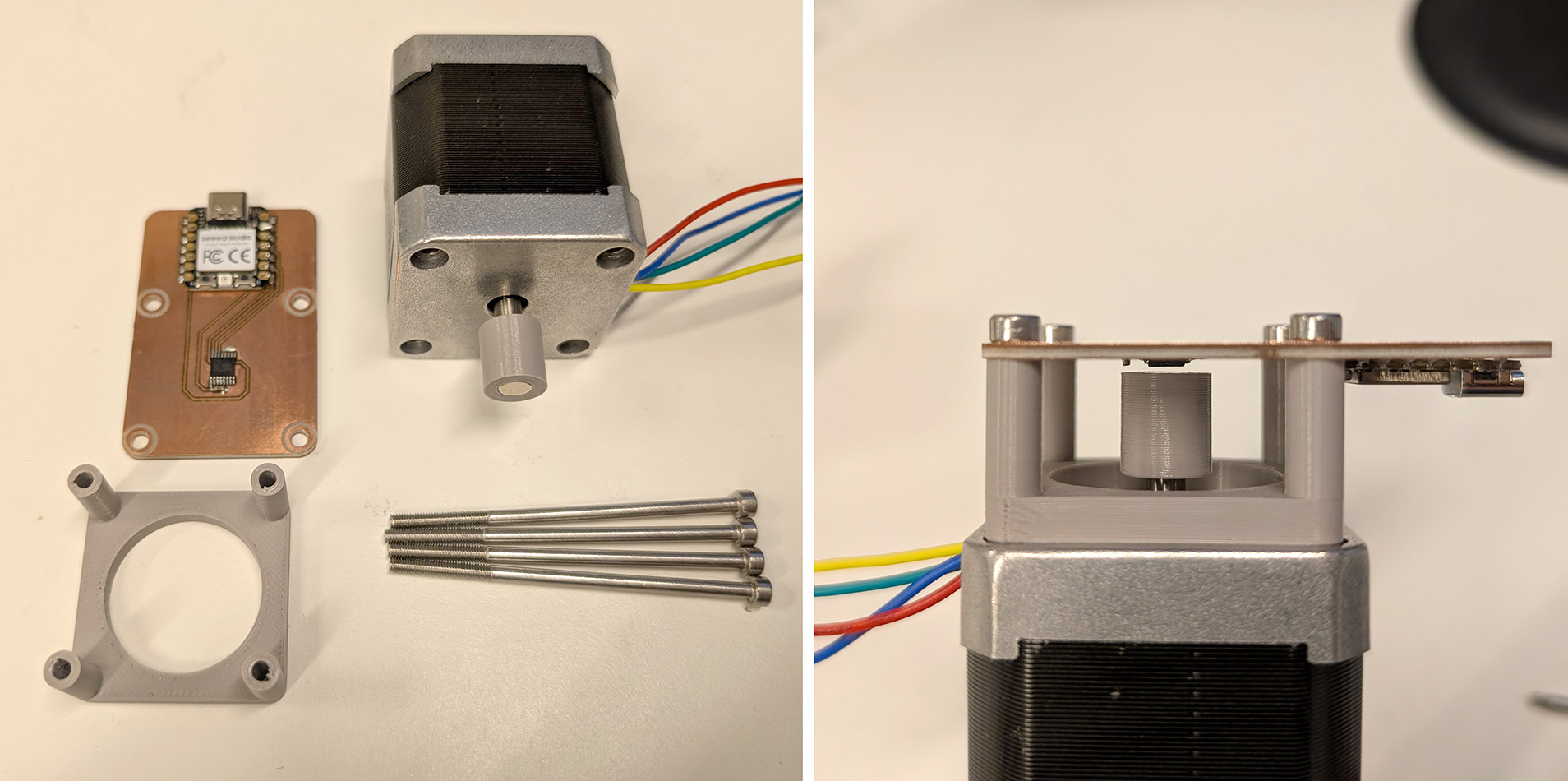
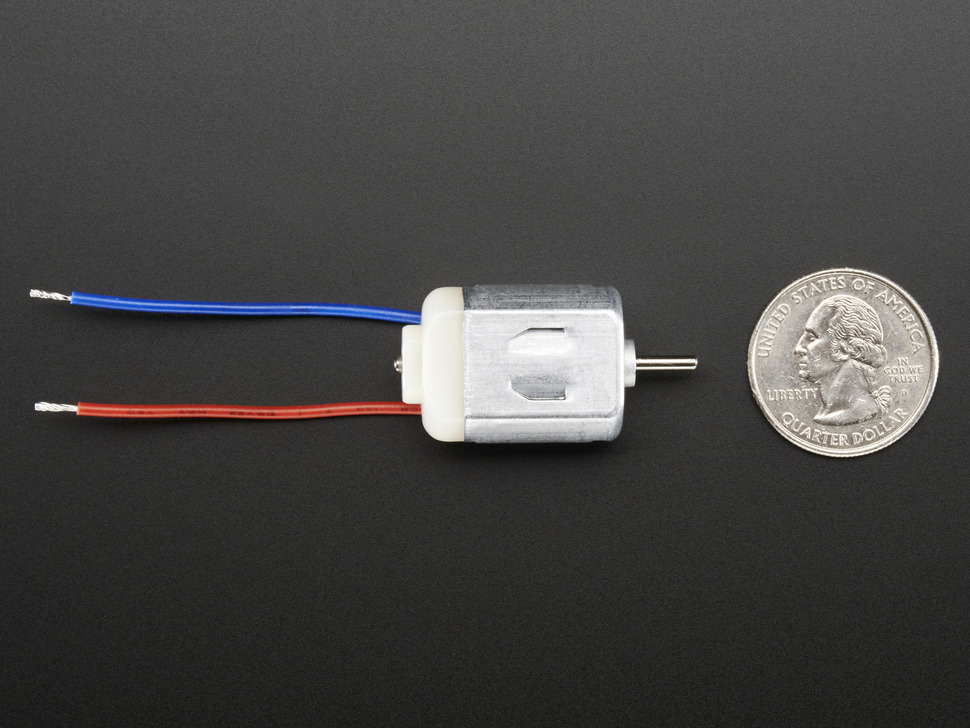
The plan was 2 separate PCBs: one with the hall sensor and the XIAO soldered on, and another small one with an H-bridge to control a 130-size DC motor, everything supplied from 5V (image: Adafruit).
I designed and milled the PCBs, but for my first hall sensor PCB the export weirdly gave an error, only on the drilling, which wasn't a big deal.
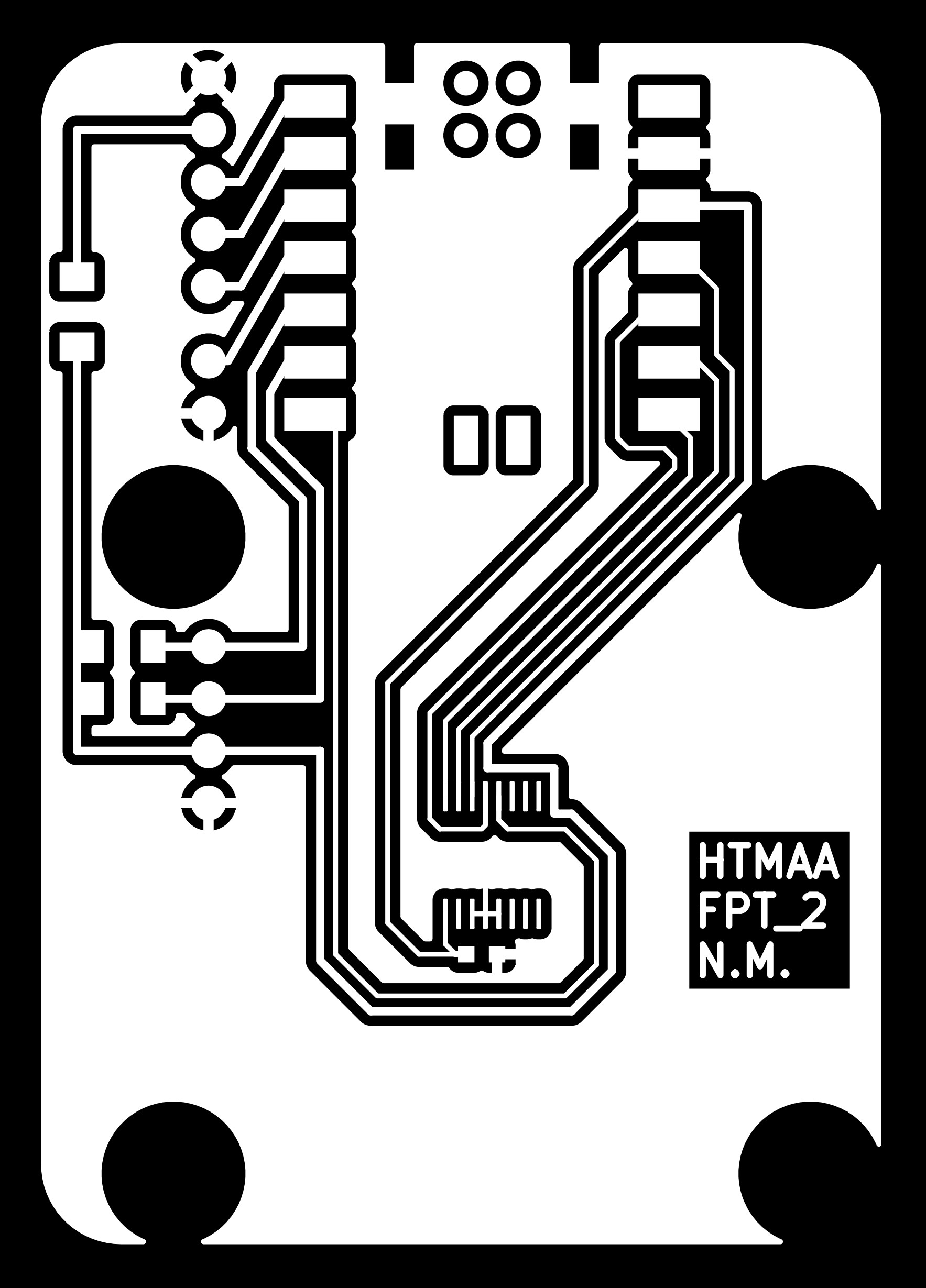
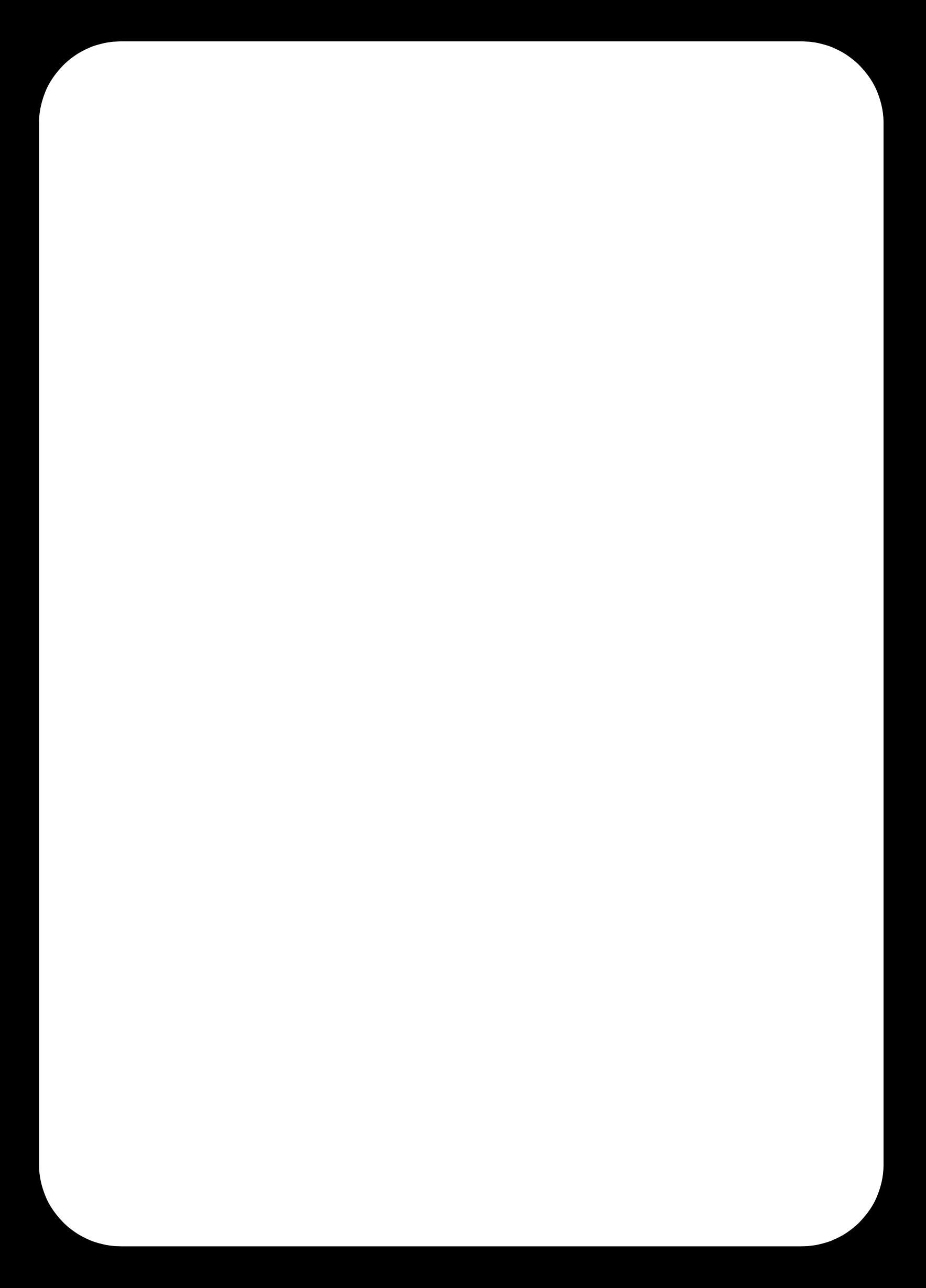
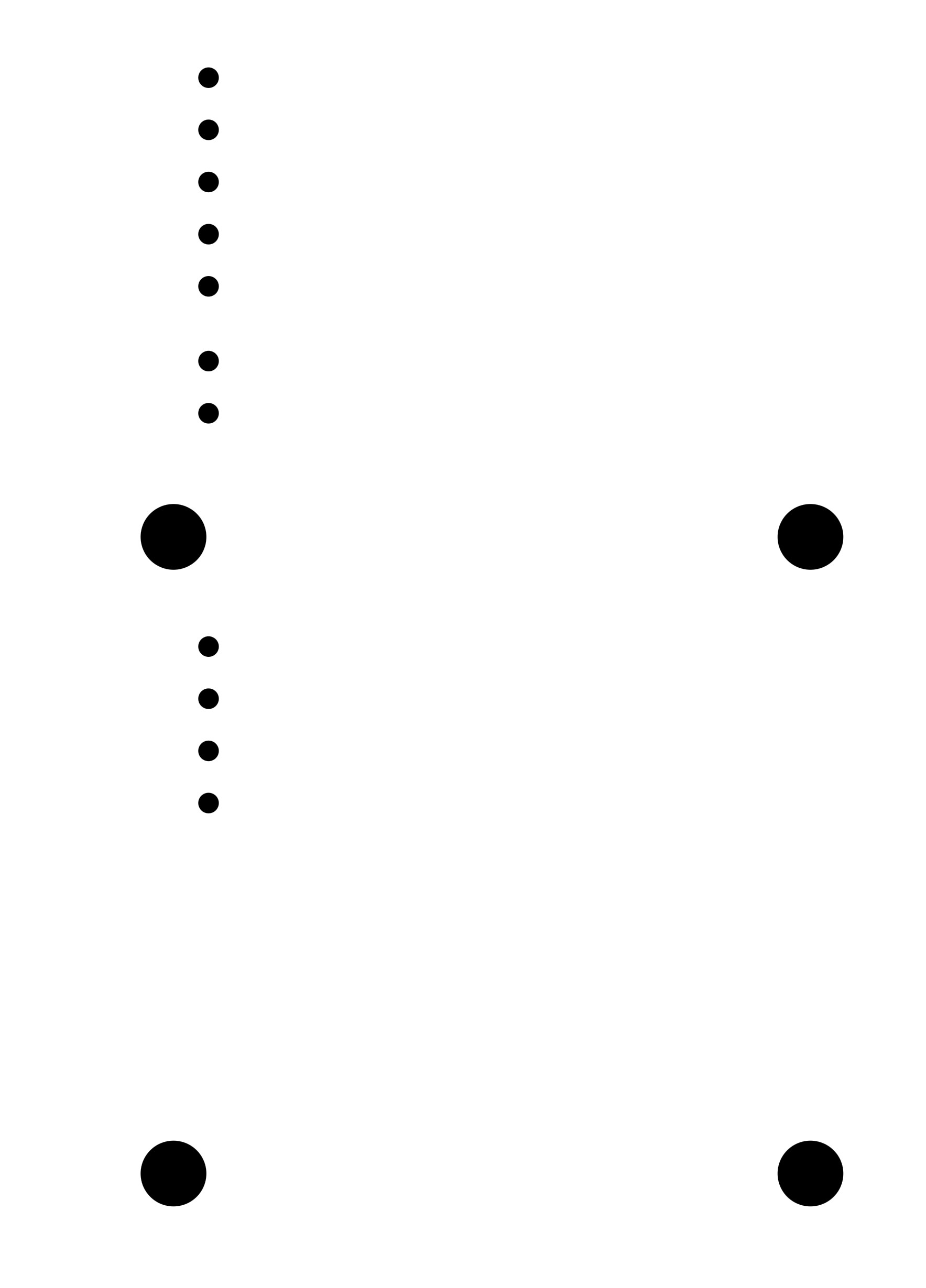
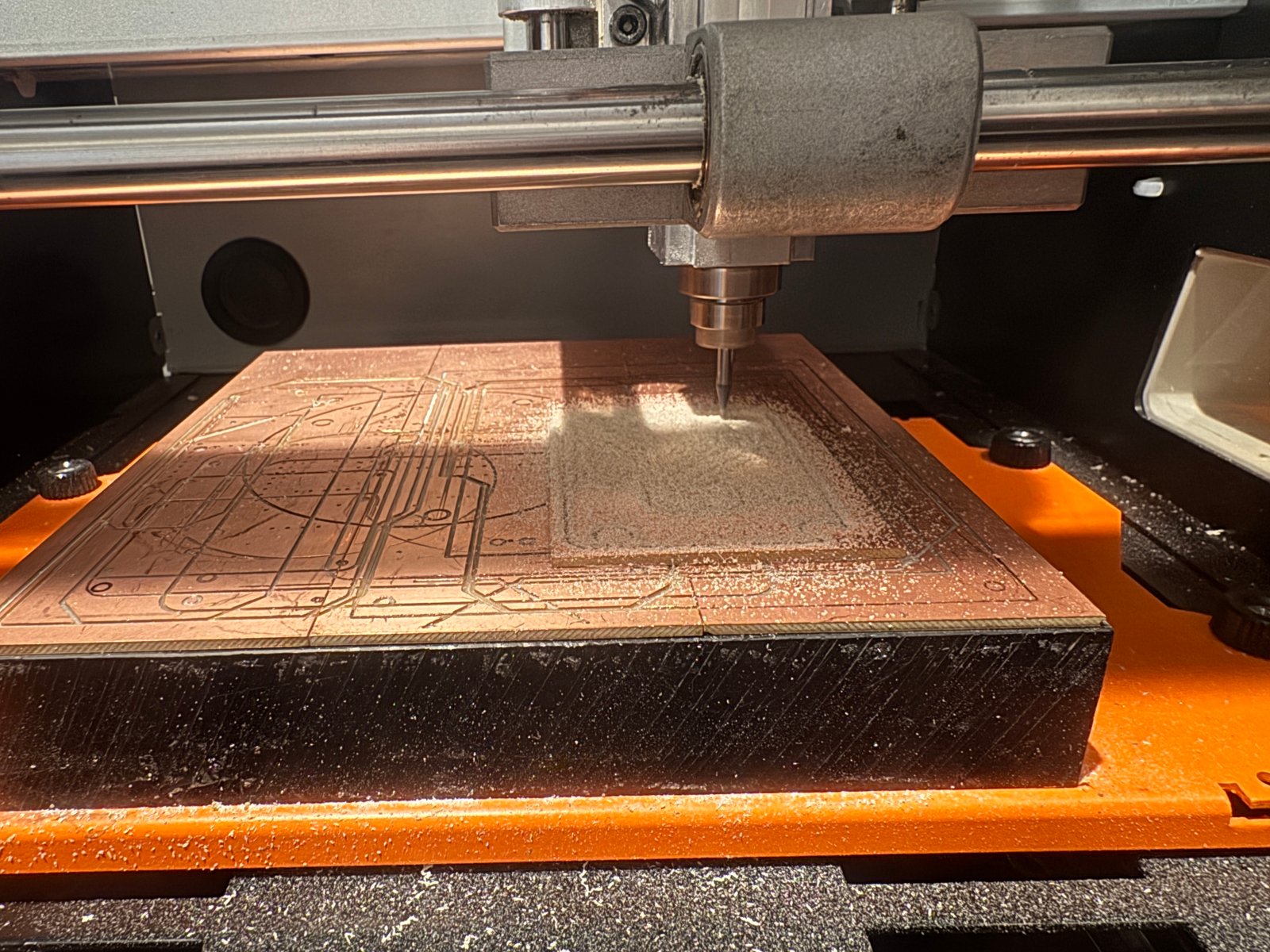
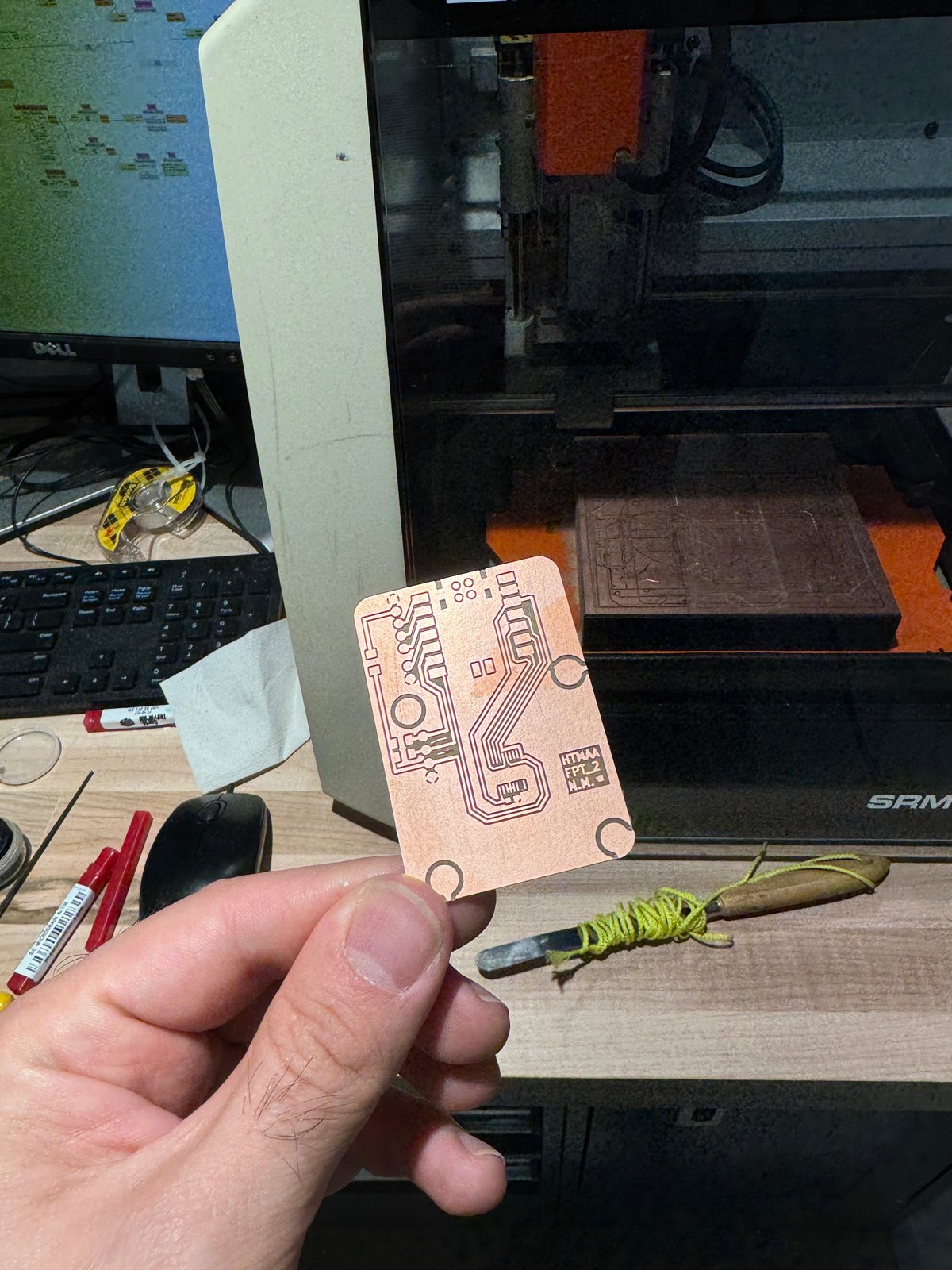
After milling it I went home, and the next day, when I wanted to assemble the PCB, I couldn't find the parts, even though I chose them from the Inventory website. I thought we might have them in the CBA shop, so I went to office hours for HEAVY EMOTIONAL SUPPORT, and to check if I could get the parts. Ben kindly guided me through and was a fantastic support, both with knowledge and with emotionally supporting my sanity.
That was a nice tip: checking parts online and building your PCB around them is not the ideal way. The best way is to physically gather the necessary components first, and then build your PCB out of them.
4 days later, the second milling try.
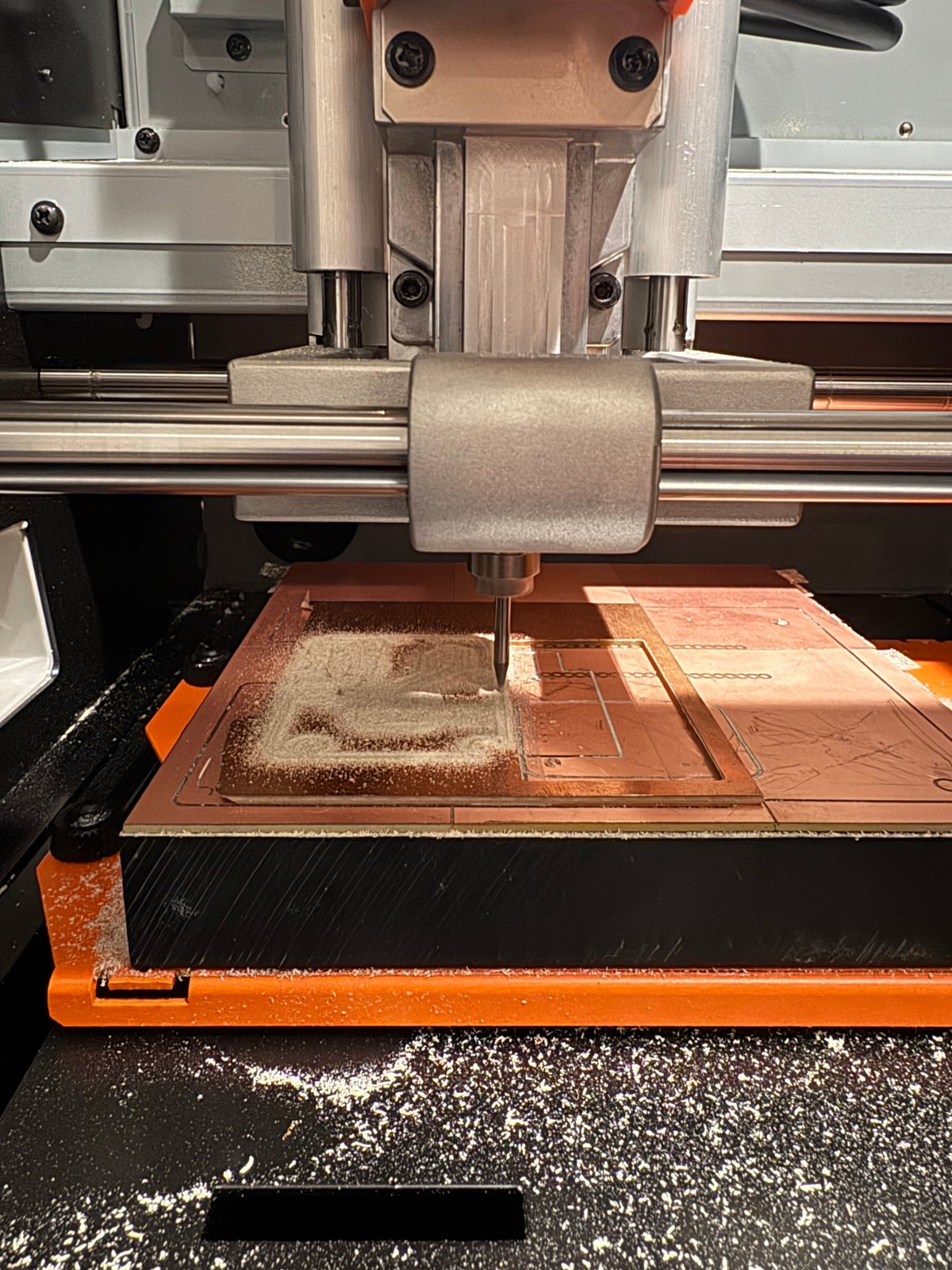
The bit was dull, and the result was horrible.
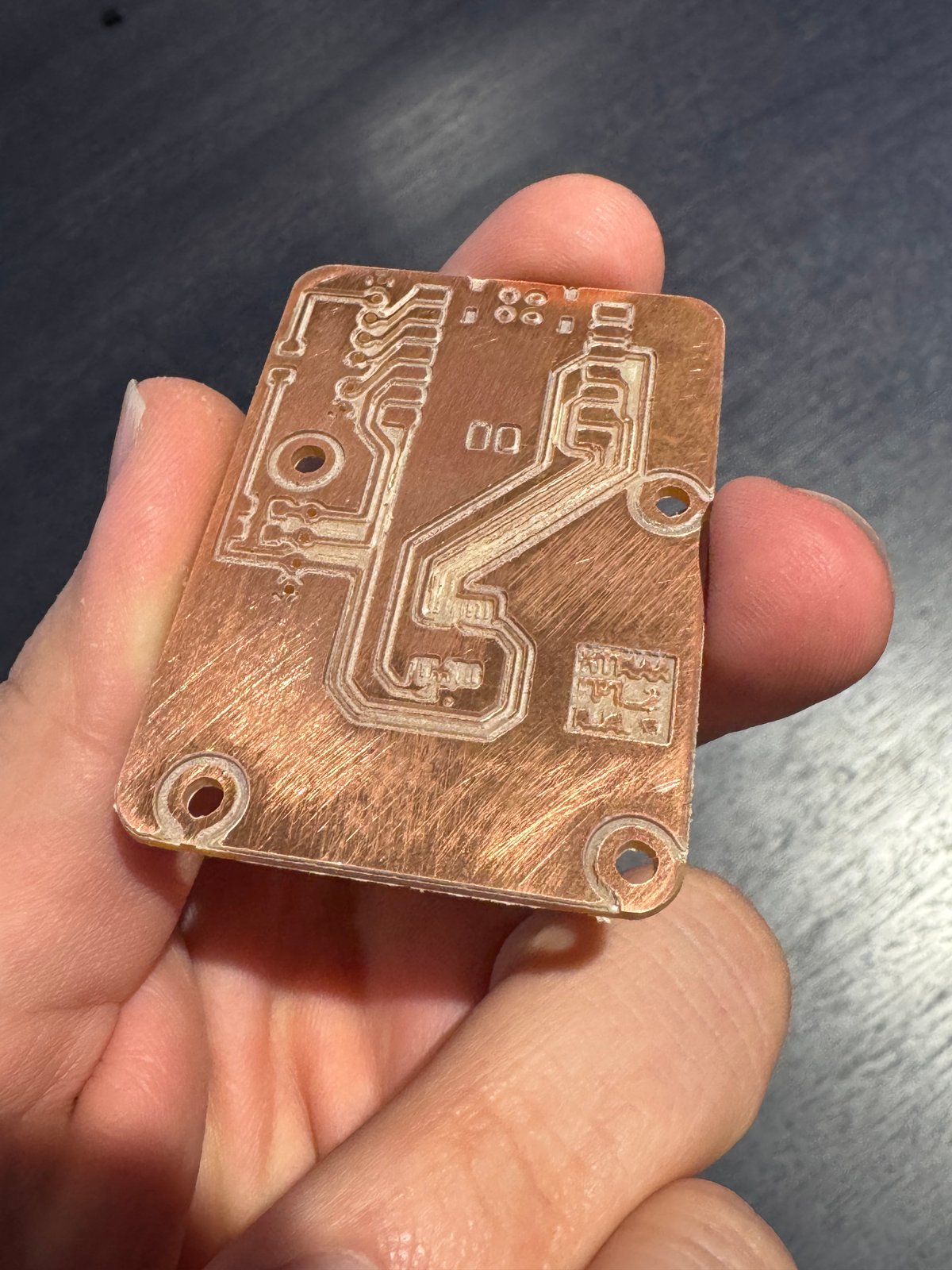
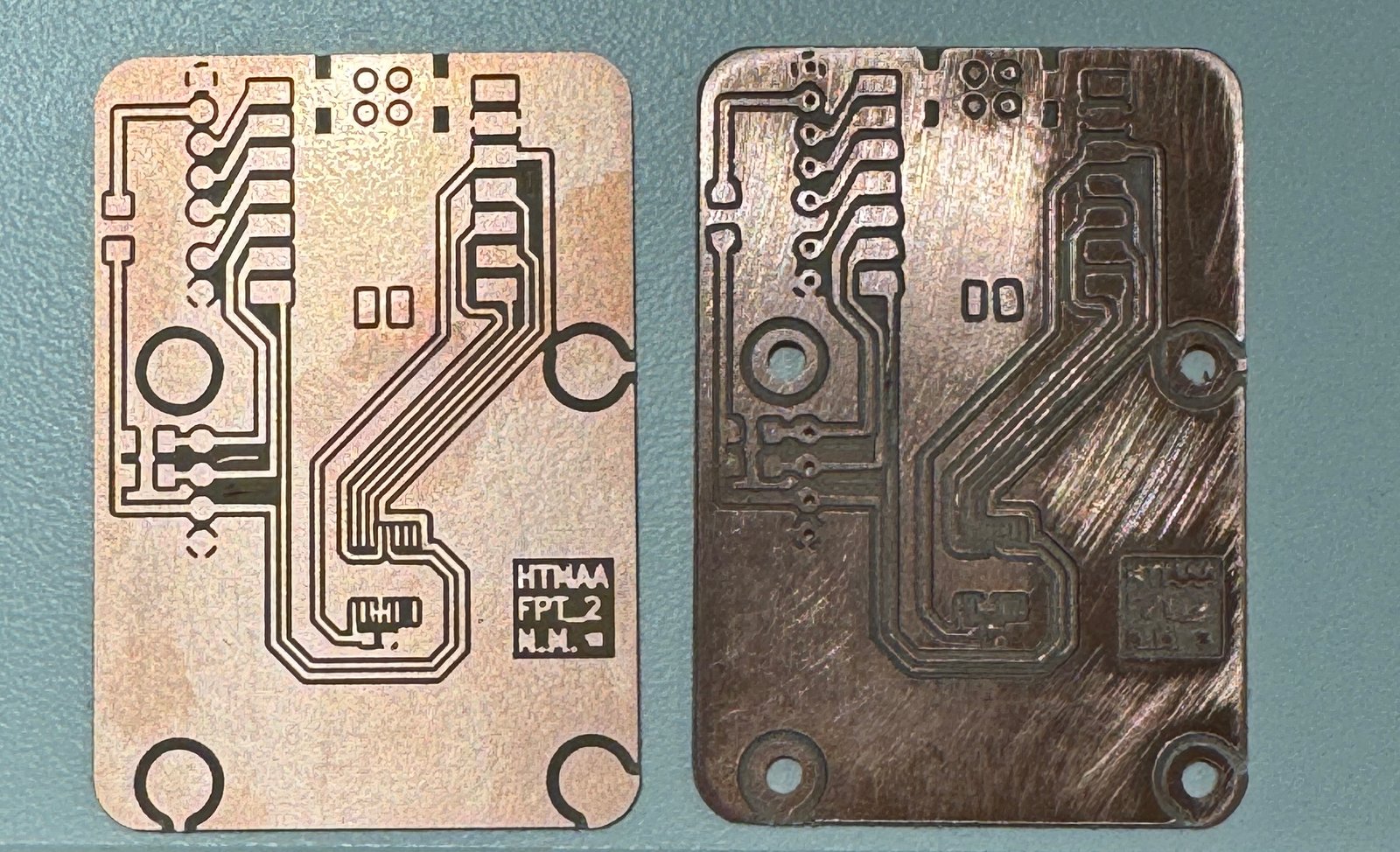
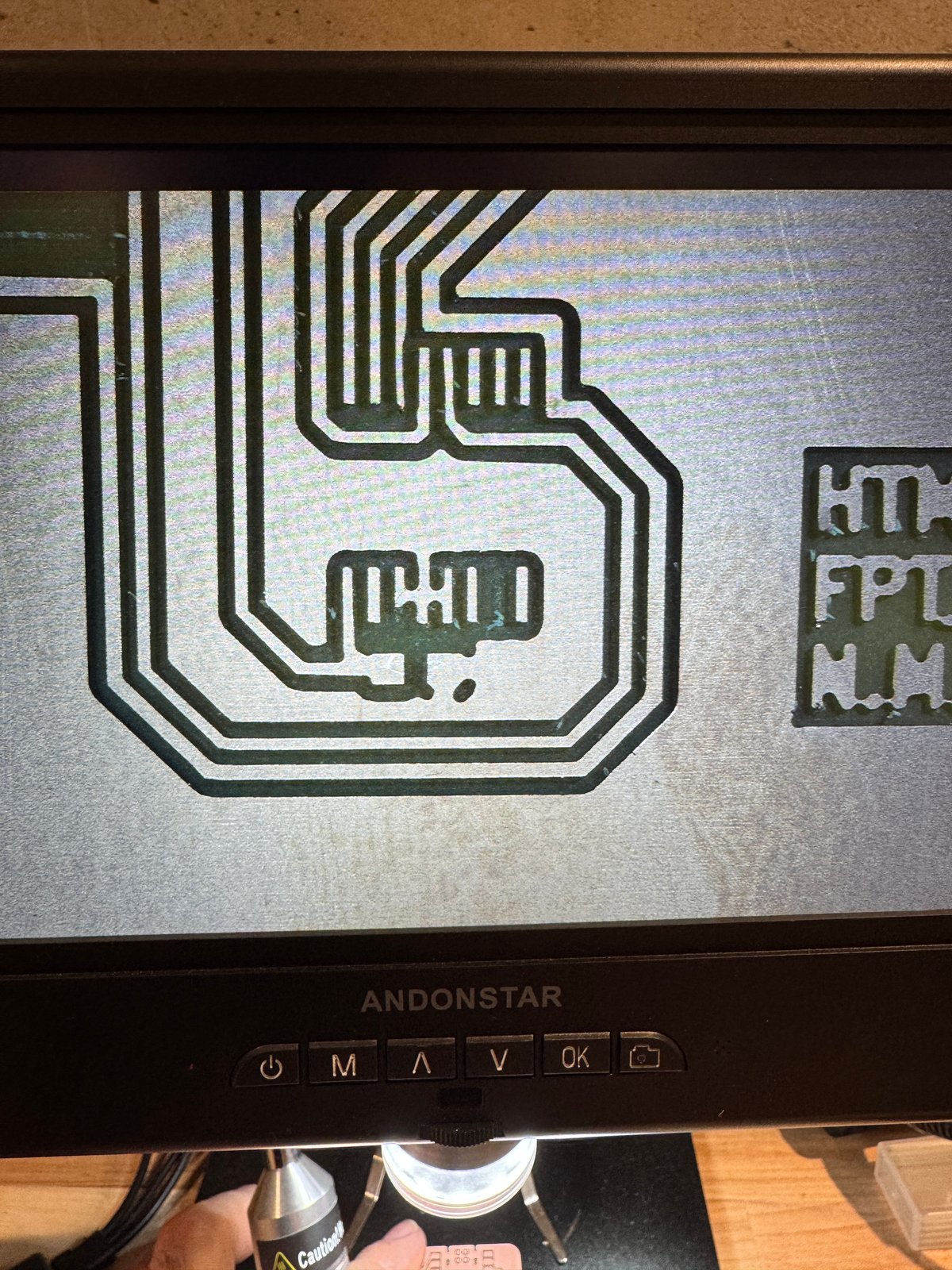
Inspecting the traces of the first mill under the microscope, and cleaning the loose ones.
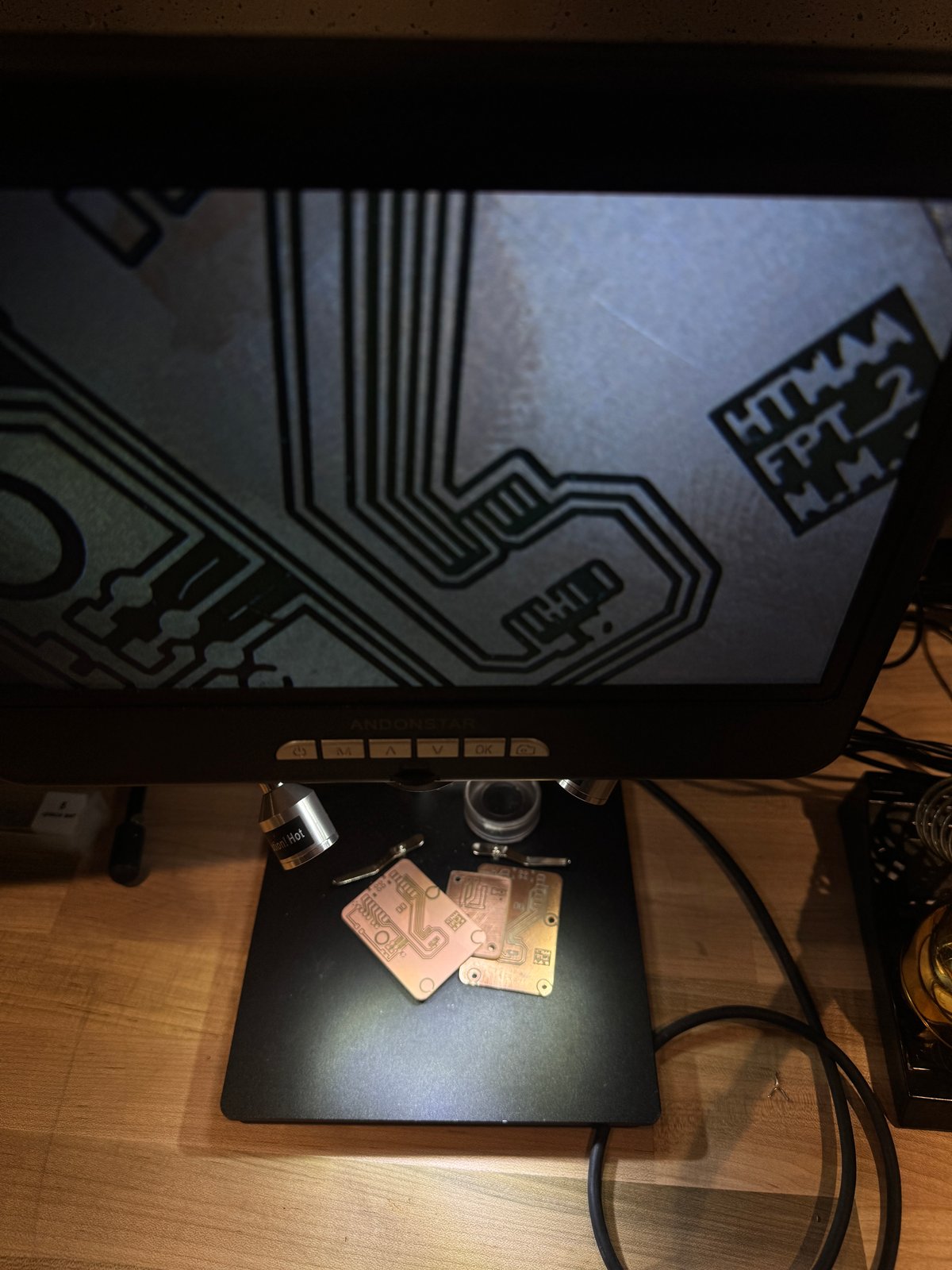
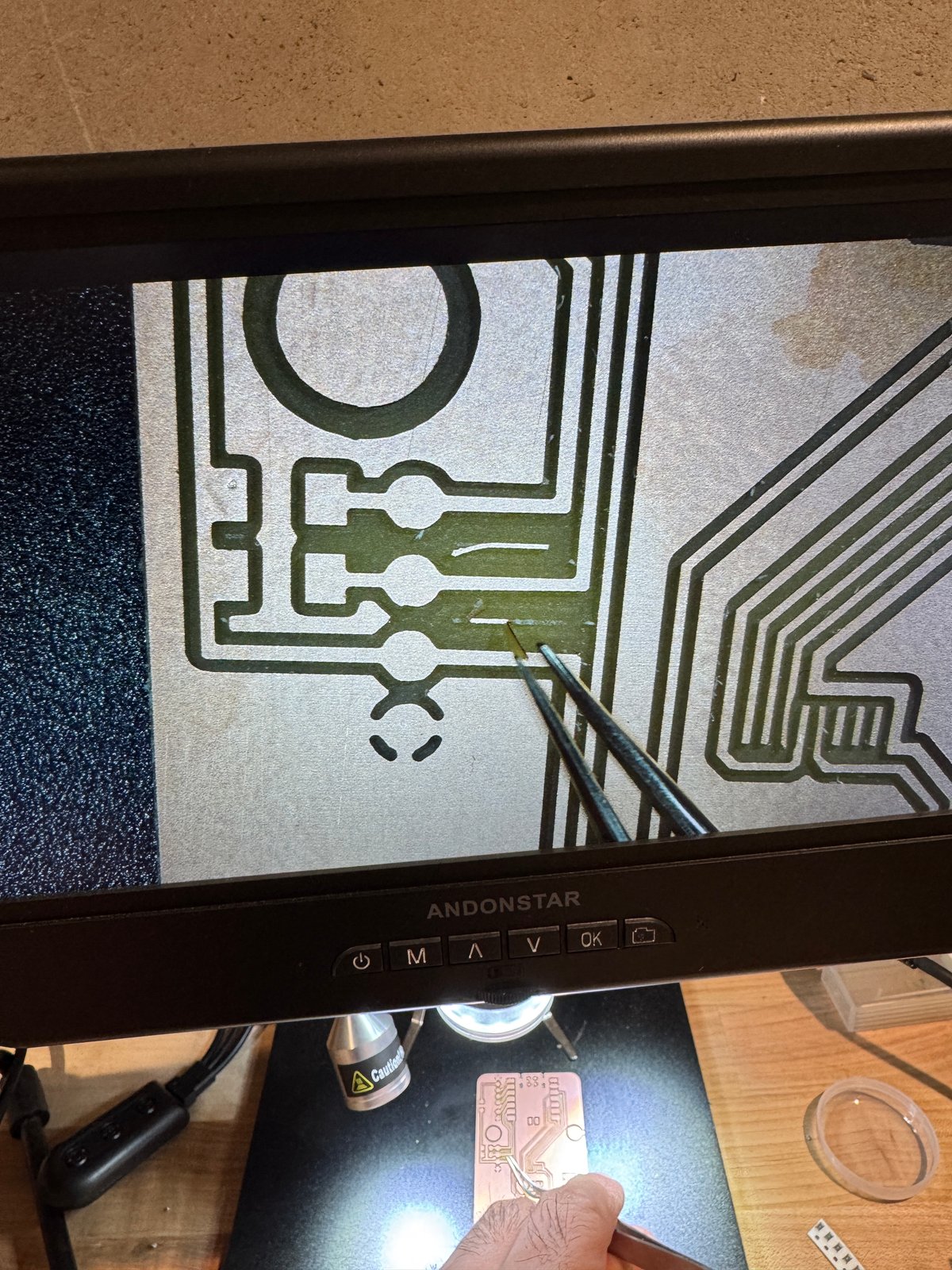
Checking the chip footprint.
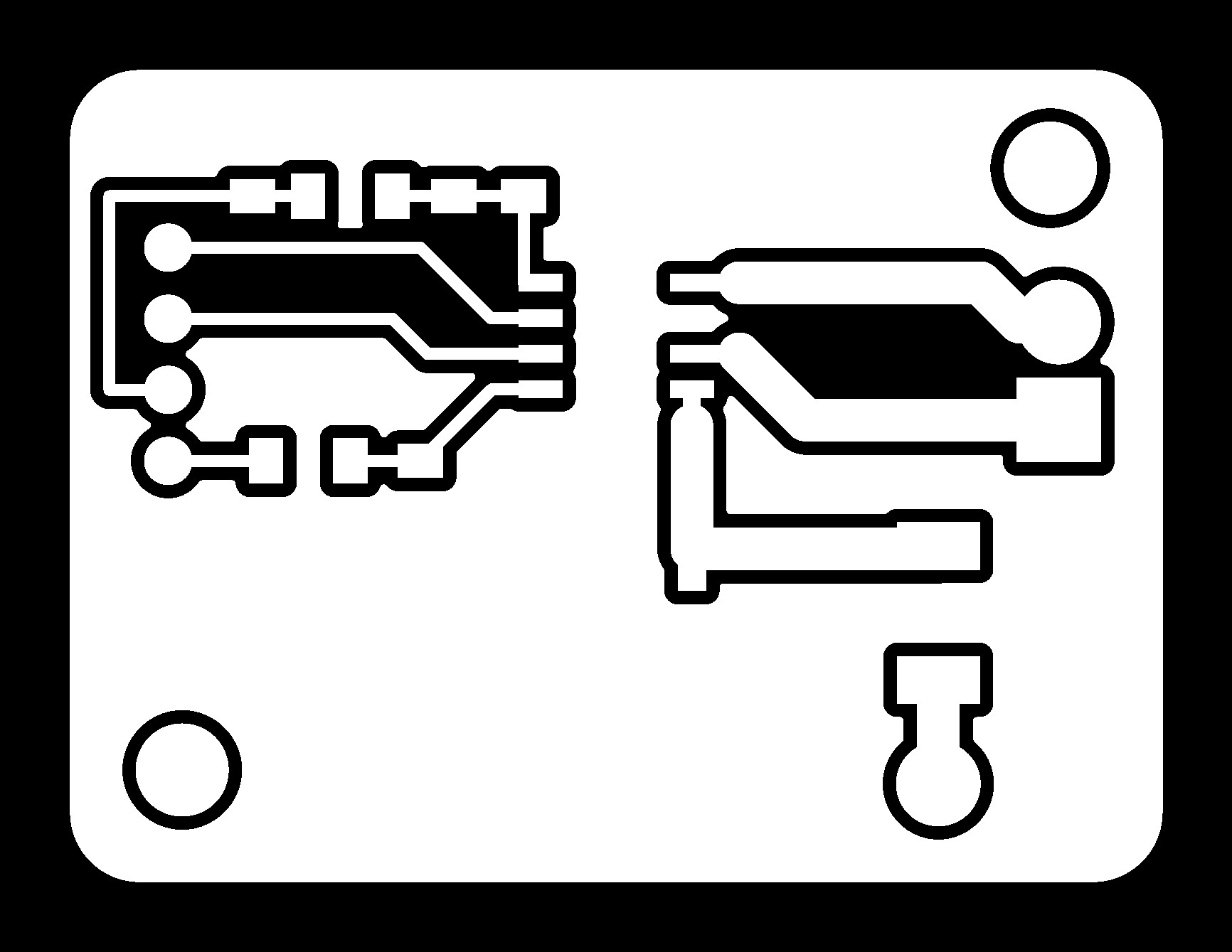
The second PCB design, board 2.

Wrong hall effect sensor.
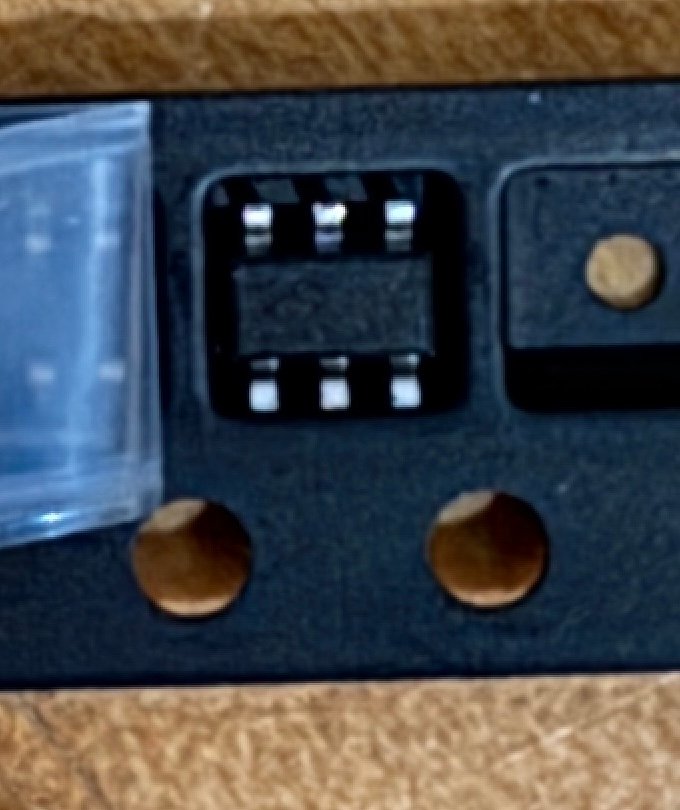
Wrong capacitor, and a close view.
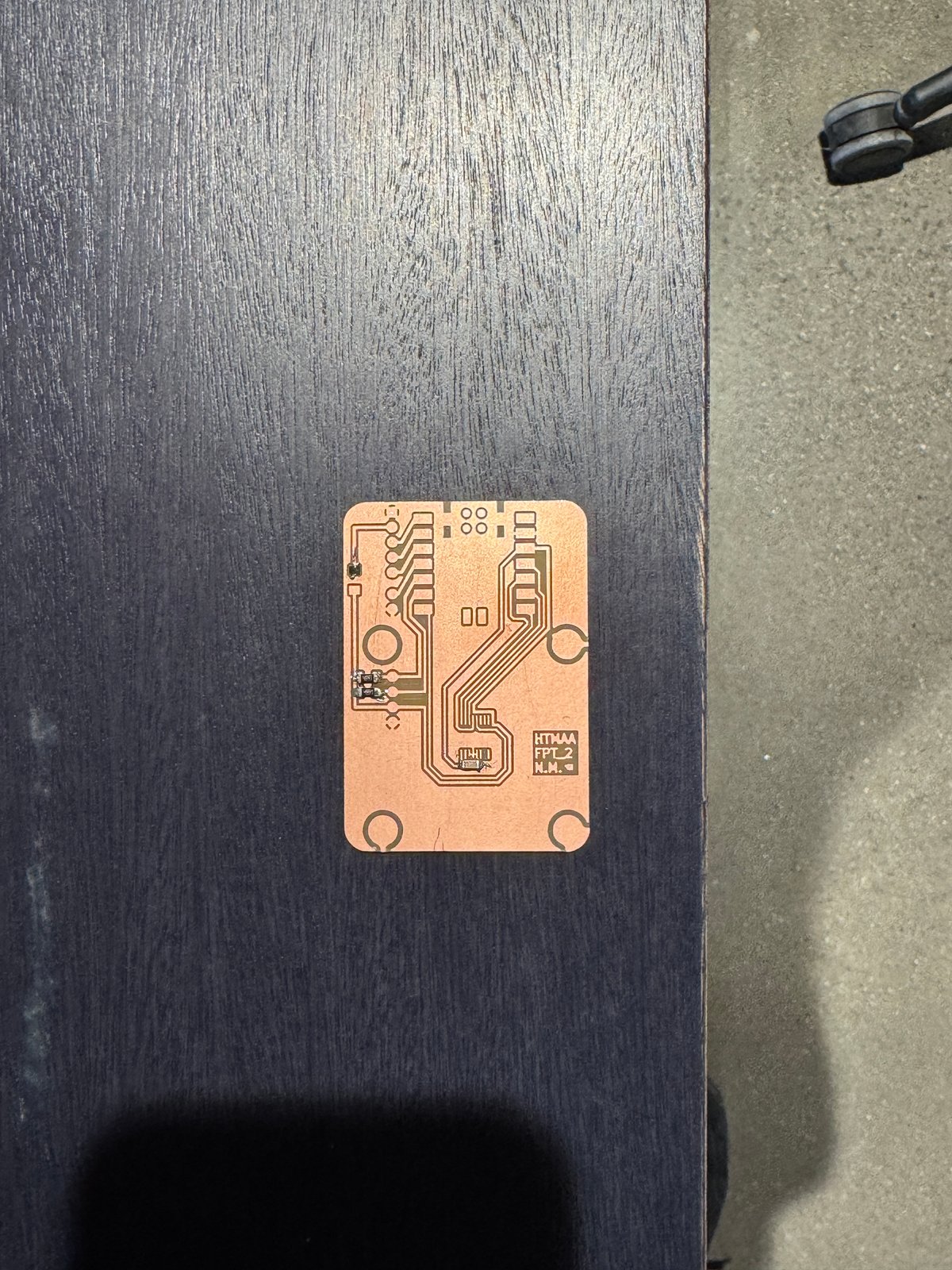
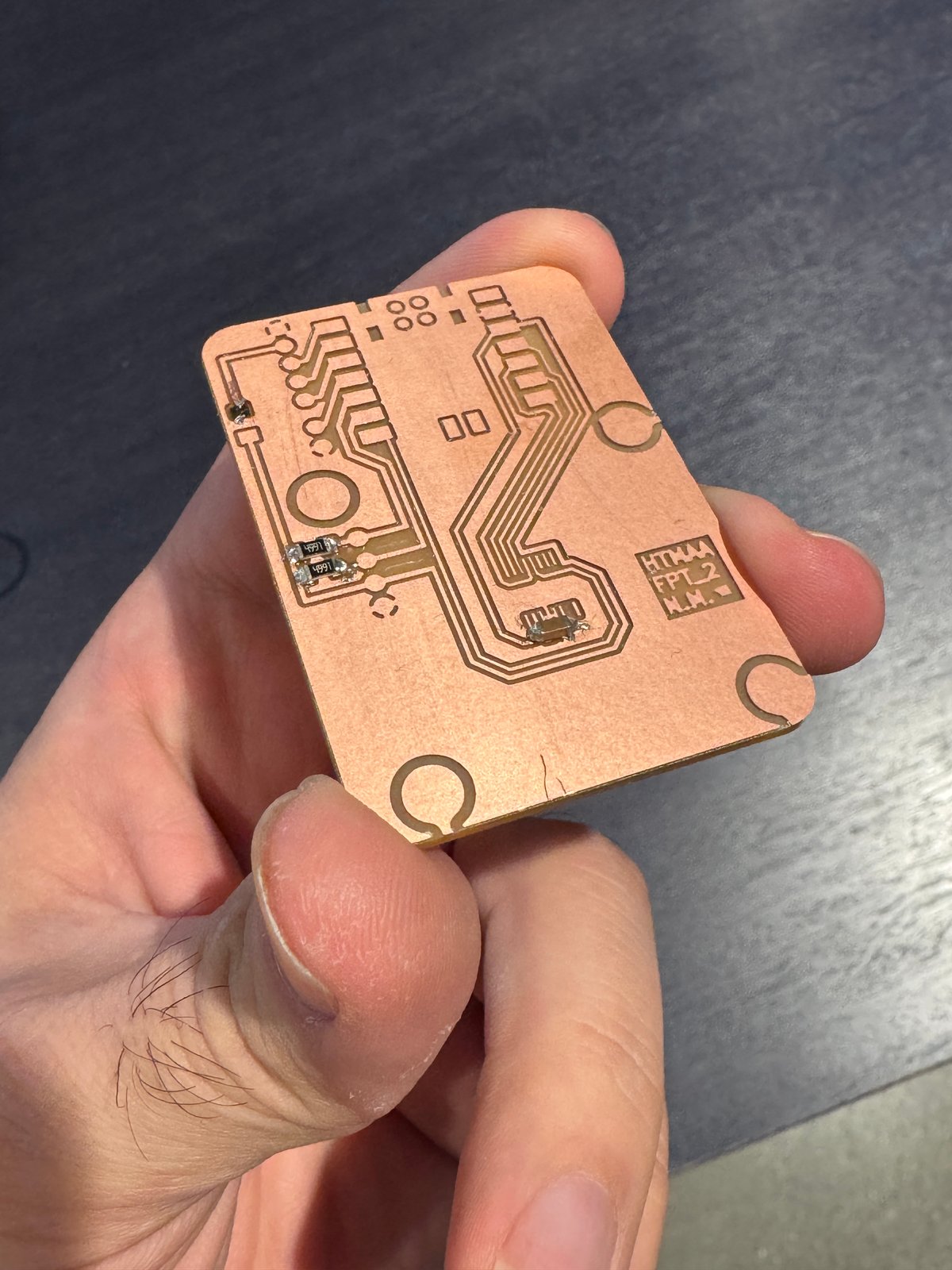
The breakout board for the motor H-bridge.
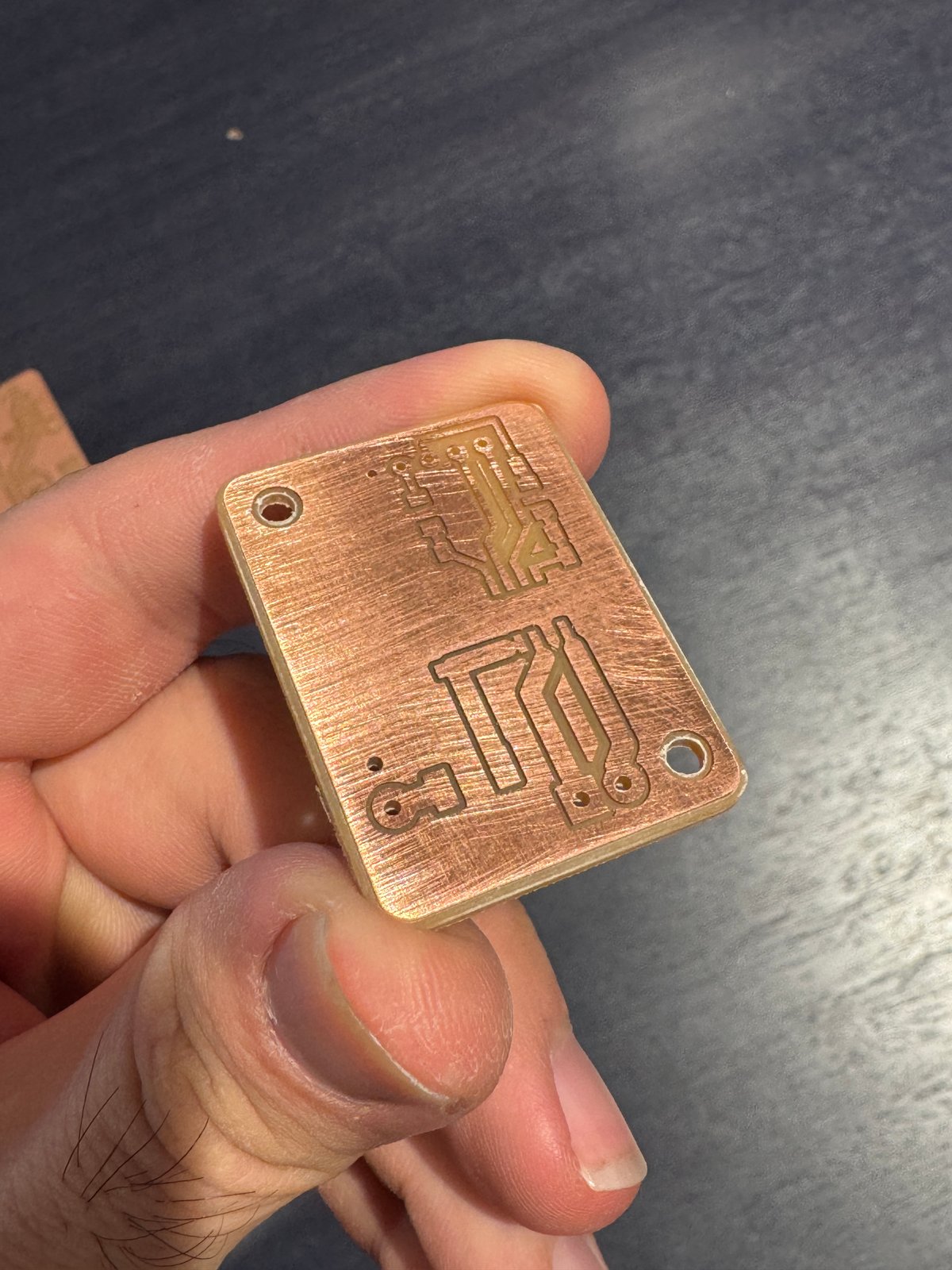
Then I wanted to miniaturize and use only the hall sensor that we have in the Arch Shop. And to not waste a XIAO on that, I wanted a pin socket, so I can remove it and iterate with my boards. Found the right pins, wrong sockets.
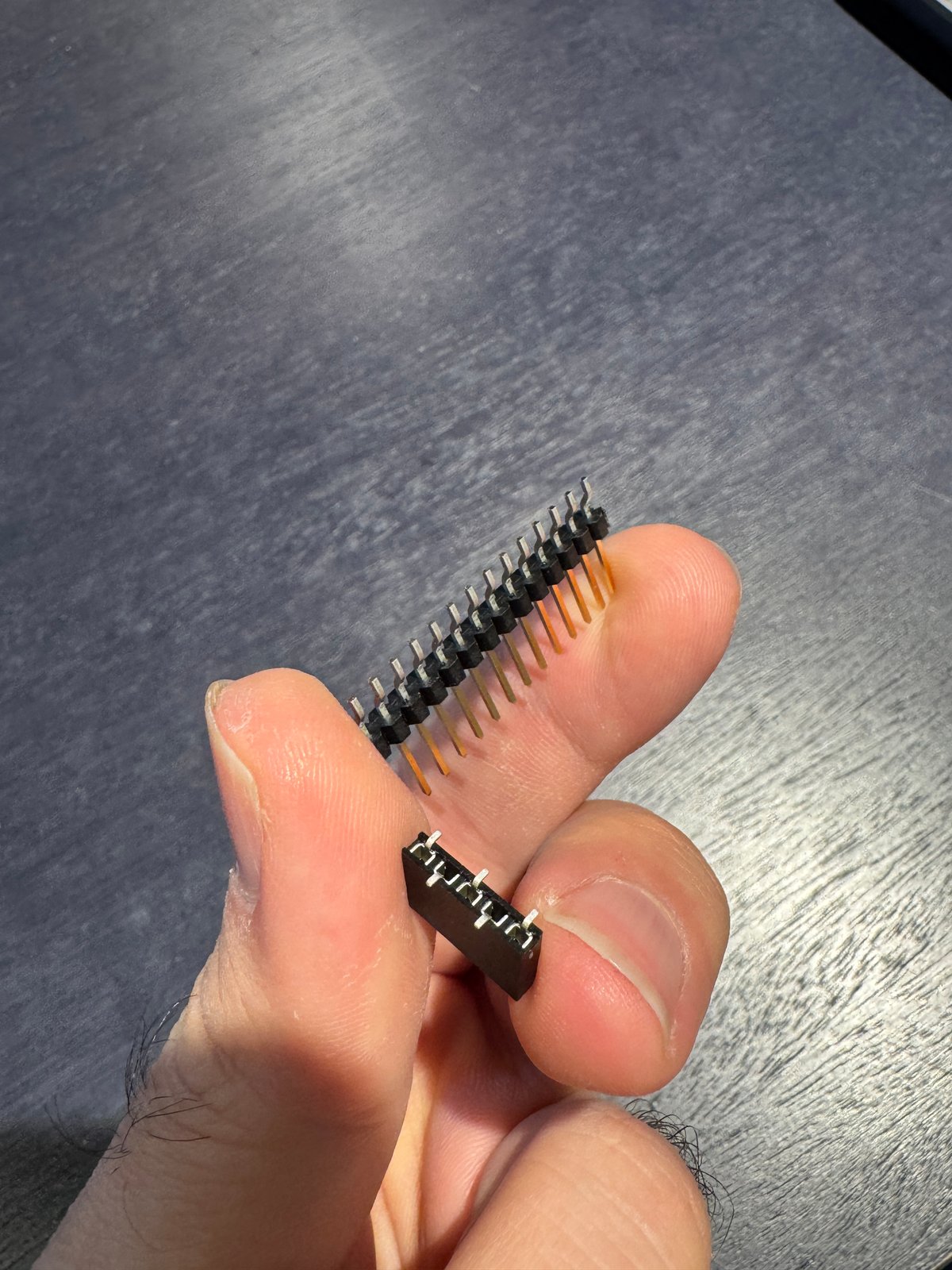
So I had a horrible quick temporary fix.
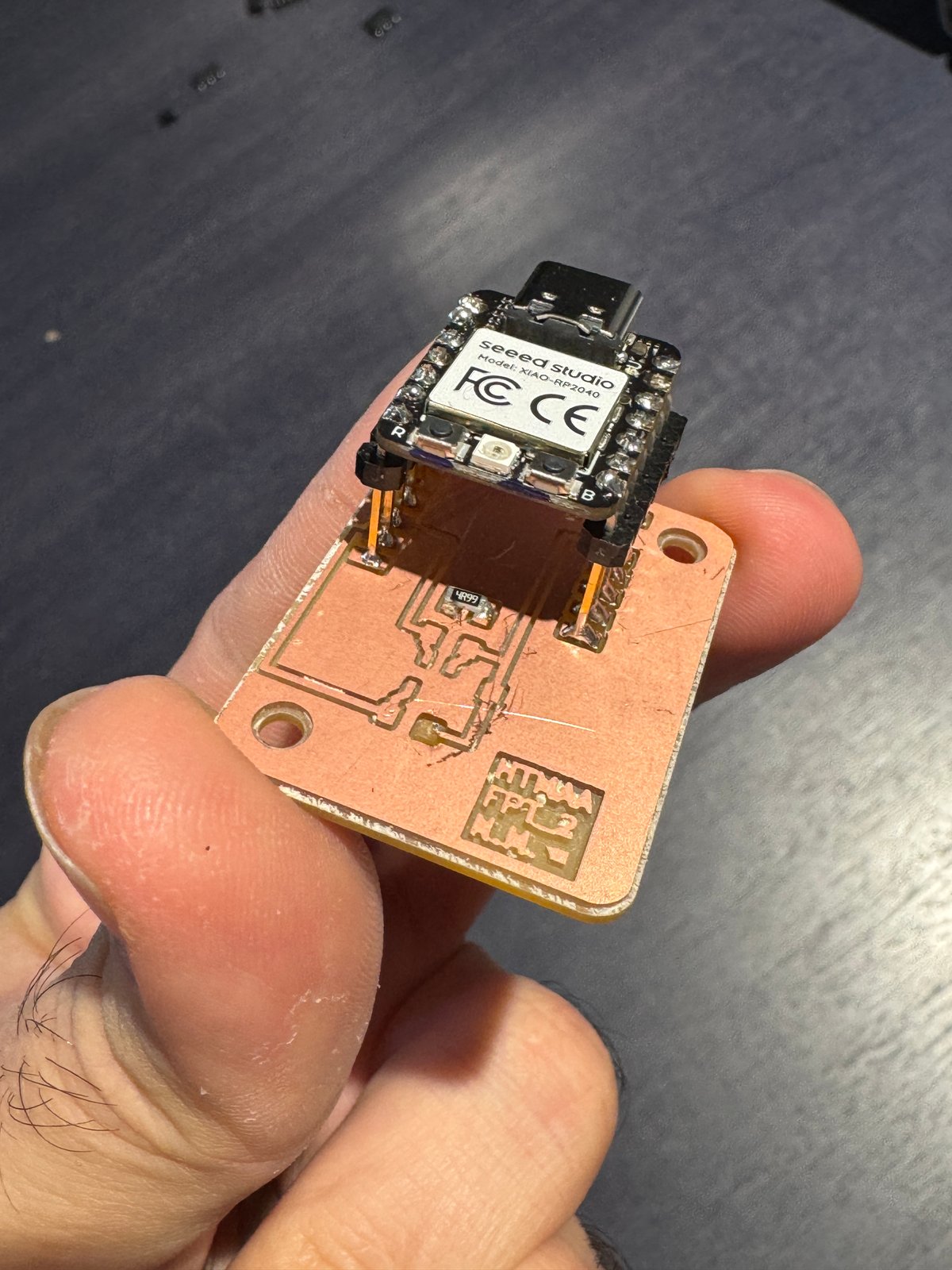
Then I started soldering, ripped another trace and burned another one. So, days and days of production, and fails over fails over failsss.
AI usage
Help on guidence during the part choice and iterations, and cleaning the text.